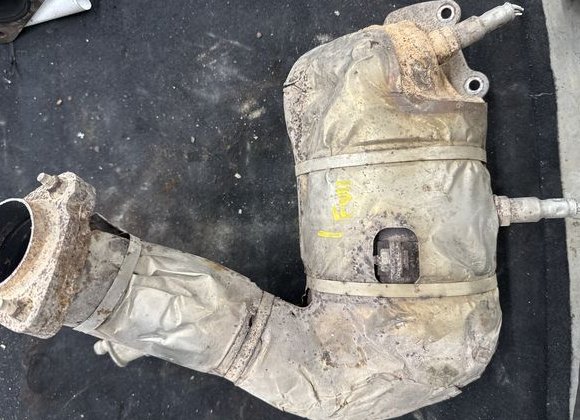
Why Emissions Rules Are Pushing Platinum Group Metal Demand — And What That Means for Your Scrap Catalytic Converter Prices in Barrie
Here's something most converter sellers don't realize: the stricter the tailpipe rules get, the more valuable the metals inside your old cats become. Tightening emissions regulations across North America and globally are driving up demand for platinum, palladium, and rhodium — the three precious metals packed inside every catalytic converter. If you're sitting on a pile of spent cats in Barrie, that regulatory pressure is quietly working in your favor.
Understanding this connection between environmental policy and scrap catalytic converter prices in Barrie isn't just interesting — it's how you time your sales smarter, negotiate better, and stop leaving money on the table. Let's break it down.
How Emissions Regulations Create Demand for Platinum Group Metals
Catalytic converters exist because of regulation. Governments mandate that vehicles reduce harmful exhaust emissions — carbon monoxide, hydrocarbons, nitrogen oxides. The converter is the hardware solution. Inside it, a ceramic or metallic substrate is coated with a washcoat containing platinum, palladium, and rhodium (collectively called PGMs or platinum group metals). These metals trigger the chemical reactions that neutralize pollutants before they exit the tailpipe.
As emissions standards tighten — and they have been tightening consistently through 2026 — automakers need more PGM loading per converter, not less. Stricter rules mean the catalyst must work harder and faster. That means more precious metal per unit. More precious metal per unit means higher mining demand. Higher mining demand with limited global supply means elevated PGM prices. And elevated PGM prices mean your spent cats carry more scrap value.
This is a direct, traceable chain. Regulatory pressure → higher PGM content requirements → tighter supply → stronger prices for recycled PGMs → better scrap converter prices for sellers. The scrap recycling industry recovers PGMs far more efficiently than primary mining. That makes recycled converters a critical supply source for refiners supplying automakers. Your old cats feed a real industrial demand chain.
What This Looks Like in Practice for Cat Converter Prices in Barrie
Barrie-area sellers have a practical stake in these global dynamics. The PGM content in a single converter can range from just a few grams to well over ten grams depending on the vehicle make, model, year, and engine size. A large diesel unit or a late-model truck converter can carry significantly higher PGM content than a small economy car unit. As regulations push automakers to load more PGMs into new vehicles, recyclers and refiners are paying closer attention to the exact content of what they're buying.
This is why documentation and identification matter more than ever when you're selling cats. Buyers don't just buy "a pile of converters" anymore — they want to know:
- The exact OEM part number or serial number
- Photos of the converter condition (no bead-blasting, no foiling)
- Vehicle year, make, and model where possible
- Whether the substrate is intact
Platforms like SMASH make this documentation process straightforward. You build the inventory, attach photos, record serial numbers — and vetted buyers bid based on actual data, not a phone estimate. That's how you access the best scrap converter prices in Canada instead of guessing on a cold call.
The Old Way of Selling Cats Is Costing You Real Money
The traditional path for a yard or individual seller: call one buyer, get a number, take it or leave it. That buyer knows their PGM assay data. You don't. That information gap is their margin, and it comes directly out of your pocket. When global PGM markets are elevated due to regulatory-driven demand, that gap gets wider, not smaller. The buyer wins more. You win less.
This is exactly the problem a catalytic converter auction format solves. When multiple vetted buyers compete for your load, price discovery actually happens. The market sets the number, not one buyer's internal calculation. You don't need to know the rhodium spot price yourself — you need competing buyers who do, bidding against each other on your inventory.
SMASH runs on this model. No subscription fees. No guessing. If you're selling a load of cats — whether it's a few dozen or a few thousand — the competition among buyers is what surfaces the real value. That's especially relevant right now when cat converter prices in Barrie and across Ontario are being driven by tighter emissions compliance requirements pushing refiner demand upward.
For sellers curious about how other yards have navigated this shift, read Canadian scrap converter pricing guides that walk through the process in detail.
Catalytic Converter Buyers in Ontario: What They're Actually Looking For
Catalytic converter buyers in Ontario — serious, vetted buyers — are not all equal. Some specialize in high-volume lots. Some focus on specific vehicle types. Some want processed and sorted material. Others take unsorted loads and apply their own grading. Knowing which buyer is the right fit for your specific inventory used to require relationships and phone networks. Now it requires a platform that puts that buyer pool in one place.
What every qualified buyer in 2026 wants to see:
- Accurate identification — serial numbers, OEM codes, or at minimum clear photos showing the converter label
- Substrate integrity — buyers discount aggressively for damaged, crushed, or foiled substrates because it affects their assay yield
- Honest condition disclosure — aftermarket vs. OEM converters have very different PGM content
- Volume and mix clarity — a lot with a clear breakdown of unit types gets better bids than an ambiguous pile
If you're running Barrie scrap metal services or operating a yard in central Ontario, building this documentation habit pays off every single time you go to sell. Buyers bid higher when they have confidence in what they're buying. That confidence comes from data, not trust.
SMASH's inventory tool, VIN lookup, and serial tracking are built precisely for this. You're not doing extra paperwork — you're building the asset documentation that makes your load worth more in a competitive bid environment.
Regulations Aren't Slowing Down — And Neither Is PGM Demand
Through 2026, emissions legislation in both the U.S. and Canada continues to tighten. Stricter fleet standards, heavier penalties for non-compliance, and the ongoing transition dynamic between internal combustion and hybrid-electric vehicles are creating a nuanced PGM market. Full battery-electric vehicles don't use catalytic converters. But hybrids do — and in many cases their converters carry higher PGM loadings because the catalyst runs colder on average, requiring more metal to compensate.
The hybrid transition is actually increasing per-unit PGM content in the near term, even as the long-term ICE vehicle fleet eventually shrinks. Recyclers who understand this are positioning their inventory accordingly — holding back high-value hybrid units, sorting by vehicle type, and letting competitive buyers fight for the good material.
This is a real strategy, not theory. Sellers who compare scrap metal bids from Canadian buyers using auction-based platforms consistently see the market tell them which units are worth more than a flat-rate buyer suggested. That's price discovery working the way it should.
If you want to check current Canadian scrap converter prices and understand how today's PGM market affects your specific inventory, starting with accurate identification and competitive bidding is the baseline. Not a phone call. Not a single quote. Real competition.
How SMASH Connects Barrie Sellers to the Right Buyers
SMASH works for sellers across North America — including yards and collectors in Barrie and throughout Ontario looking to move converter inventory without leaving money on the table. The process is straightforward: document your load using the inventory tool, upload photos, enter serial numbers where available, and let vetted buyers submit competitive bids. Auto-invoicing handles the paperwork. You don't need to chase anyone down.
There are no subscription fees. SMASH only wins when the seller wins. That alignment matters — it means the platform's incentive is to get you the best result, not to lock you into a monthly payment regardless of whether you sell anything.
The emissions regulatory environment isn't going to relax. PGM demand from the refining and automotive supply chain is structural. Your spent converters are a direct input into that chain. Selling them through a process that reflects real market value — through competition, documentation, and transparency — is how you capture what the market is actually offering.
If you're ready to stop guessing and start selling smarter, find the best Canadian scrap converter prices and get a free quote at best-scrap-converter-prices.ca. Your inventory has real value. Make sure you're getting it.
Frequently Asked Questions
Q: How do emissions regulations affect scrap catalytic converter prices in Barrie?
Tighter emissions standards require higher platinum group metal (PGM) loadings in new converters. This increases demand for recycled PGMs from spent cats, which puts upward pressure on scrap catalytic converter prices across Canada, including in Barrie. When industrial demand for PGMs rises, your used converters are worth more to refiners and buyers who process them.
Q: What makes one catalytic converter worth more than another?
PGM content is the primary driver of converter value — specifically the amounts of platinum, palladium, and rhodium in the substrate. Larger engines, trucks, SUVs, and hybrid vehicles often carry higher-content converters. OEM units typically outvalue aftermarket replacements. Substrate condition also matters significantly — a damaged or foiled substrate reduces recoverable PGM yield and buyers discount accordingly.
Q: How do I know if I'm getting a fair price for my cats in Barrie?
The best way to verify fair market value is through competitive bidding — multiple buyers seeing the same documented load and submitting offers. A single phone quote from one buyer gives you no reference point. Platforms like SMASH put vetted buyers in competition, which is how the market price actually surfaces. Accurate identification of your units also helps buyers bid with confidence, which typically improves offers.
Q: Do catalytic converter buyers in Ontario buy small quantities, or do I need a full truckload?
It depends on the buyer. Some specialize in high-volume lots while others work with smaller quantities. Using a platform that connects you to multiple buyers increases your chances of finding the right match for your specific volume and unit mix. Documenting your inventory accurately — regardless of size — improves your position in any sale.
Q: Are catalytic converter prices in Canada different from U.S. prices?
PGM spot prices are global, quoted in USD on international markets. Canadian converter prices track those same underlying metal values but are quoted in CAD and can be affected by exchange rates, regional buyer competition, and local logistics costs. Getting multiple bids from Canadian buyers gives you the clearest picture of what your specific inventory is worth in the Canadian market today. Always check current rates before selling — prices fluctuate with the precious metals market.
Follow SMASH on LinkedIn for ongoing industry updates, PGM market insights, and scrap metal pricing news across North America.
```