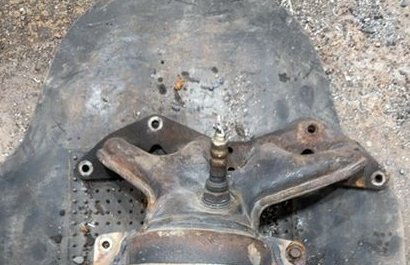
Most people selling a catalytic converter are thinking about one thing: what's the platinum price today and how much is this converter worth? That's fair. But there's a bigger story behind every cat that leaves your yard — one that connects your scrap pile to global precious metal markets, environmental regulations, and the long-term health of the recycling industry itself. Understanding that story doesn't just make you a smarter seller. It helps you find buyers who operate the right way and pay you accordingly.
Catalytic converters are among the most environmentally significant components in any end-of-life vehicle. Recycling them properly keeps toxic materials out of landfills, recovers rare metals that would otherwise require destructive mining, and feeds a legitimate supply chain that sustains the entire converter market. When converters go to the wrong buyers — no documentation, no accountability — the whole system breaks down. Prices get suppressed. Legitimate buyers pull back. And sellers get burned.
If you're in Halifax or anywhere across Nova Scotia, here's what you need to know about doing this right — and getting paid what your cats are actually worth.
---What Makes Catalytic Converters So Valuable — And So Environmentally Critical
Catalytic converters contain three platinum-group metals (PGMs): platinum, palladium, and rhodium. These metals are rare, expensive to mine, and essential for reducing vehicle emissions. When you track the platinum price today, you're looking at a metal that requires enormous environmental disruption to pull out of the ground — open-pit mines, heavy chemical processing, significant carbon output. Recovering it from spent converters is orders of magnitude cleaner than primary extraction.
A single catalytic converter typically holds anywhere from 3 to 7 grams of combined PGMs, though high-value foreign units and large diesel oxidation catalysts can carry significantly more. At current precious metal valuations, that makes even a single converter worth meaningful money. Multiply that across a load of 50 or 100 units, and you're looking at a significant asset — one that needs to move through a transparent, accountable supply chain to preserve both its value and its environmental integrity.
- Platinum — used in diesel converters; critical for oxidation reactions
- Palladium — dominant in gasoline converters; highly volatile pricing
- Rhodium — smallest quantities, historically highest per-gram value
- Ceramic substrate — the honeycomb structure that holds the PGMs
Improper disposal of these units — crushing them without assay, landfilling damaged cores, or selling to unvetted buyers who strip and discard the substrate — wastes recoverable metal and creates real environmental liability. The ceramic dust from improperly handled converters is a hazardous material. Proper recycling protocols protect workers, communities, and the value locked inside every unit.
---The Environmental Case for Transparent Catalytic Converter Recycling
The recycling supply chain for catalytic converters only works when every link in the chain is accountable. That starts with how you document and sell your inventory. A vetted catalytic converter buyer in Halifax or anywhere in Nova Scotia should be able to tell you exactly how they assay units, what smelter or processor they use, and how they handle non-recoverable materials. If a buyer can't answer those questions, that's a red flag — not just for the environment, but for your payout.
Legitimate processors use controlled smelting environments that capture emissions and recover PGMs at the highest possible yield. Underground or unregulated buyers often use cruder methods — lower recovery rates, higher environmental impact, and (not coincidentally) lower prices to sellers. The two problems are connected. Opacity in the supply chain costs you money.
Beyond individual transactions, the broader environmental math is compelling. The PGMs recovered from recycled converters reduce demand for newly mined metal. Lower mining demand means less land disruption, less chemical runoff, and lower carbon output from extraction operations. Every properly recycled converter is a small but real contribution to that outcome. At scale — across thousands of yards and millions of units annually — it adds up significantly.
For yards in Nova Scotia operating under provincial environmental regulations, proper documentation isn't optional. Tracking serial numbers, VINs, photos, and BOLs isn't just good business practice — it's increasingly a regulatory requirement. Platforms that build documentation into the sales process aren't just making your life easier. They're keeping your operation compliant.
---How the Platinum Price Today Connects to What You Get Paid
The price a buyer offers you for a catalytic converter isn't arbitrary. It's derived from the current spot prices for platinum, palladium, and rhodium — minus processing costs, yield assumptions, and the buyer's margin. That means when the platinum price today moves, your converter's value moves with it. Sellers who don't track PGM markets are flying blind. You can't negotiate effectively if you don't know what's behind the number on the table.
PGM prices are quoted in troy ounces on global commodity exchanges and fluctuate daily based on mining output, automotive industry demand, geopolitical factors, and currency movements. Palladium, in particular, has seen dramatic swings in recent years as the shift toward hybrid and EV powertrains has created uncertainty about long-term demand. Rhodium has historically been the most volatile of the three — capable of large moves in short timeframes.
The practical implication for sellers: timing matters, and so does your buyer pool. A single buyer offering a fixed price has every incentive to build in a wide margin. Multiple competing buyers — the kind you get through a catalytic converter auction format — have to sharpen their offers to win the load. That competition reflects actual market conditions far more accurately than any single phone call to a local dealer.
Want to check current Canadian scrap converter prices before you commit to a sale? That's exactly the kind of market intelligence that separates informed sellers from ones who leave money on the table.
---Why a Catalytic Converter Auction Gets You Closer to True Market Value
The old way of selling converters — call one buyer, take the price, move on — made sense when information was scarce. That's no longer the case. Today, PGM spot prices are publicly available, assay technology is widely accessible, and vetted buyer networks exist specifically to introduce competition into converter sales. There's no good reason to accept the first number you hear.
A catalytic converter auction puts your documented inventory in front of multiple buyers simultaneously. Each buyer sees the same information — photos, serial numbers, grades, weights — and competes on price. The result is price discovery based on actual market demand, not one buyer's margin targets. For a load of mixed domestic and foreign cats, the difference between a single-buyer offer and a competitive auction result can be meaningful.
Platforms like Canada's B2B scrap recycling marketplace — SMASH — are built specifically for this. SMASH connects yards and converter sellers with vetted buyers across North America, using an auction format that brings real competition to every load. No subscription fees. No guessing. Just documented inventory, competitive bids, and transparent outcomes.
For sellers in Halifax looking for Halifax scrap metal services, SMASH offers a structured alternative to the single-buyer phone call. You document your load, list it through the platform, and let buyers compete. The environmental documentation built into the process — photos, serial tracking, BOLs — also helps demonstrate compliance with Nova Scotia's scrap metal regulations.
If you want to find the best scrap converter prices in Canada, the answer isn't calling more buyers manually. It's putting your inventory into a system where buyers come to you.
---What Responsible Catalytic Converter Buyers in Nova Scotia Look Like
Not all buyers are equal. If you're searching for catalytic converter buyers near me open now or catalytic converter recycling near me for cash, you'll find a wide range — from fully compliant operations with proper assay facilities to grey-market buyers with no documentation requirements and questionable downstream practices. The difference matters for your payout and your compliance exposure.
Here's what a legitimate catalytic converter buyer in Halifax or Nova Scotia should be able to demonstrate:
- Clear pricing methodology — tied to current PGM spot prices, not arbitrary flat rates
- Documentation practices — serial tracking, photo records, proper BOLs
- Downstream transparency — a named smelter or processor, not a vague reference to "our facility"
- Regulatory compliance — awareness of and adherence to provincial scrap metal regulations
- Payment reliability — clear terms, no unexplained deductions after the fact
Buyers who check all of those boxes are the ones worth building a relationship with. And in a competitive auction environment, those are also the buyers who tend to bid strongest — because they're operating legitimate, sustainable businesses that depend on reliable supply.
For more guidance on navigating converter sales in Canada, read Canadian scrap converter pricing guides that break down how PGM markets work and what documentation practices protect your operation.
---Documentation Is Environmental Compliance — And It Protects Your Price
There's a direct line between good documentation and good environmental outcomes. When every converter in a load has a photo, a serial number, a grade, and a traceable origin, the entire supply chain becomes accountable. Buyers know what they're bidding on. Processors can target their assay methods. Regulators can follow the chain if needed. Nothing disappears into a grey-market void.
For yards in Halifax and across Nova Scotia, building documentation into your sales process isn't extra work — it's protection. Provincial regulations around scrap metal transactions have tightened in recent years, and the direction of travel is clear: more transparency, more traceability, more accountability for where materials go. Getting ahead of that curve now means you're not scrambling to catch up later.
SMASH builds documentation into every transaction by design. VIN lookup, serial tracking, photo documentation, auto-invoicing — these aren't optional add-ons. They're the foundation of how the platform works. When your load is documented properly, buyers bid with more confidence. More buyer confidence means stronger competition. Stronger competition means better price discovery for you.
The environmental case and the economic case for proper recycling aren't in tension. They point in exactly the same direction: transparency, documentation, and competitive sales through vetted channels.
---Frequently Asked Questions
Q: How does the platinum price today affect what I get for my catalytic converter?
Platinum is one of three precious metals inside your converter — along with palladium and rhodium. Buyers calculate offers based on current PGM spot prices minus processing costs and margin. When platinum prices rise, converter values typically follow. Tracking PGM markets before you sell helps you recognize whether an offer reflects actual market conditions or a buyer padding their margin.
Q: Where can I find a reliable catalytic converter buyer in Halifax?
Look for buyers who provide clear pricing tied to PGM spot rates, use proper documentation practices, and can name their downstream processor. Platforms like SMASH connect Halifax-area sellers with vetted buyers across North America through a competitive auction format — which tends to produce better price discovery than a single local buyer. You can also explore Halifax scrap metal services for local options.
Q: Why does proper catalytic converter recycling matter environmentally?
Catalytic converters contain rare metals that require destructive mining to source new. Recycling them properly recovers those metals at far lower environmental cost and keeps toxic ceramic dust out of landfills. Unregulated or grey-market recycling wastes recoverable metal, creates environmental hazards, and ultimately suppresses prices for everyone in the legitimate supply chain.
Q: What's the difference between a catalytic converter auction and selling to a local buyer?
A single local buyer sets a price based on their own margin targets. A catalytic converter auction puts your documented inventory in front of multiple vetted buyers simultaneously, creating competition that reflects actual market demand. For most sellers, competitive bidding produces stronger price discovery than any single-buyer negotiation.
Q: Are there catalytic converter buyers in Nova Scotia who handle documentation properly?
Yes — and that documentation matters both for compliance and for your payout. Nova Scotia scrap metal regulations require traceable records, and buyers who build documentation into their process (serial tracking, photos, BOLs) are also the ones operating legitimate, sustainable businesses that tend to bid competitively. Avoid buyers who ask no questions and keep no records.
---If you're sitting on a load of cats and wondering whether you're getting a fair price, the answer starts with knowing what those metals are worth right now — and putting your inventory in front of buyers who have to compete for it. Find the best scrap converter prices in Canada and get a free quote at best-scrap-converter-prices.ca. The market is there. Make it work for you.
Disclaimer: Catalytic converter and precious metal prices fluctuate daily based on global commodity markets. All pricing information in this article is general in nature. Always verify current rates before completing any transaction.
Follow SMASH on LinkedIn for ongoing scrap metal market updates, PGM price movements, and industry insights that keep your operation ahead of the market.