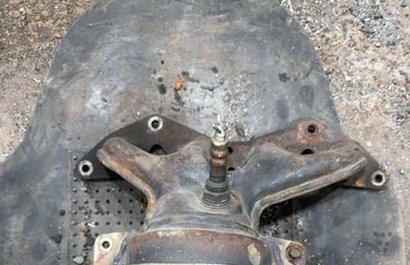
Most catalytic converters sitting in your yard right now contain platinum, palladium, and rhodium — and the scrap value locked inside them depends almost entirely on how you handle removal. Damage the substrate, crack the housing, or contaminate the unit, and you've just cut into your payout before you've made a single call. Understanding catalytic converter scrap value starts before the converter ever leaves the vehicle.
This guide walks you through the safe removal process step by step — protecting the unit, protecting yourself, and protecting the payout you're owed. Whether you're processing one vehicle or working through a stack of cores, the same principles apply.
Why Proper Removal Directly Affects Your Catalytic Converter Scrap Value
The precious metals in a catalytic converter — platinum, palladium, and rhodium — sit inside a ceramic or metallic substrate. That substrate is fragile. One wrong cut with a reciprocating saw, one hard drop on a concrete floor, and you're turning high-value powder into a mess that processors have to discount heavily to deal with.
Buyers and processors price converters based on what's inside. A cracked substrate means partial precious metal content. A crushed housing means the unit can't be properly identified. Either way, you lose money. The goal of clean removal is to preserve the unit exactly as it came off the vehicle — intact housing, undamaged substrate, no contamination from oil, coolant, or cutting debris.
- Intact substrate: Full precious metal value is preserved
- Clean housing: Buyers can identify the unit by serial number or visual grade
- No contamination: Coolant or oil-soaked units get discounted or rejected
- Documented condition: Photo documentation supports better price discovery
If you want to find the best scrap converter prices in Canada, the condition of your unit at removal is one of the biggest variables you actually control.
Tools You Need Before You Start
Rushing a converter removal with the wrong tools is how you end up with damaged units and a lower payout. Get set up properly before you touch the vehicle. This doesn't require a full shop — but it does require the right basics.
Here's what you need on hand:
- Angle grinder or reciprocating saw — for cutting exhaust pipe on seized or welded units
- Oxygen/acetylene torch — useful for freeing heavily corroded flanges, but use carefully around the substrate
- Pipe wrenches and breaker bar — for flanged converters where bolts are accessible
- Penetrating oil (e.g., PB Blaster) — apply to flange bolts 30–60 minutes before removal
- Jack stands and floor jack — never work under a vehicle supported only by a hydraulic jack
- Safety glasses and gloves — non-negotiable; exhaust components carry significant heat and sharp edges
- Wire brush — for cleaning serial numbers before documentation
- Smartphone or camera — for photo documentation before and after removal
In Kelowna and across British Columbia, yards operating under provincial environmental and workplace safety guidelines require proper vehicle support and PPE on any lift or floor removal. This isn't optional — it's the floor, not the ceiling.
Step-by-Step: How to Remove a Catalytic Converter Safely
Work cold where possible. A hot exhaust system is a burn risk and the metal is harder to control. If the vehicle recently ran, give it at least two hours to cool. Then follow this sequence:
- Lift and secure the vehicle. Use a floor jack to raise the vehicle and place it on rated jack stands. Never rely on a jack alone. Confirm the vehicle is stable before going underneath.
- Locate the converter. On most passenger vehicles, the catalytic converter sits between the exhaust manifold and the muffler — typically just behind or beneath the engine bay. Some vehicles have two converters (a pre-cat and a main cat). Know what you're pulling before you cut.
- Apply penetrating oil to flange bolts. If the unit is bolted at flanges rather than welded, spray the bolts with penetrating oil and wait 30–60 minutes. Forcing seized bolts without penetrant risks snapping the bolt and turning a simple job into a grinding job.
- Attempt bolt removal first. Use a breaker bar or impact wrench on flange bolts. If they break free cleanly, remove both flanges and pull the unit. Keep the gaskets if they're in good shape — some buyers note condition at the flange.
- Cut the pipe if bolts are seized or the unit is welded in. Use an angle grinder or reciprocating saw. Cut the exhaust pipe 1–2 inches away from each end of the converter housing. Do not cut into the housing itself. Give yourself pipe stub on each side — this makes the unit easier to handle and protects the substrate from any vibration during cutting.
- Support the unit as it comes free. Catalytic converters on larger vehicles and trucks can be heavy. Have a second person ready or support the unit with one hand while you make the final cut. Dropping a converter on concrete from even two feet can crack the internal substrate.
- Inspect and document the unit immediately. Before it goes into your pile, brush off the serial number or OEM stamp and photograph it. Photo document both ends, the housing, and the serial number. This matters — platforms like SMASH Recycling — where verified buyers bid on your metal use documented inventory to drive competitive bidding, and clear photos give buyers more confidence in what they're purchasing.
- Store it properly. Keep removed converters in a dry area, off the ground, away from oils and chemicals. Don't stack them in ways that could crush or crack units on the bottom.
Understanding Palladium Price Today and How It Moves Your Payout
The scrap catalytic converter value you're quoted on any given day is driven almost entirely by three precious metals: platinum, palladium, and rhodium. Of the three, palladium tends to have the most day-to-day movement — and understanding how the palladium price today affects your unit's grade helps you know when to move inventory and when to hold.
Palladium is concentrated primarily in gasoline engine converters — think standard passenger cars and light trucks built in the last two decades. Diesel converters tend to be heavier in platinum content. Rhodium, the rarest of the three, appears in smaller quantities but carries a significant price premium when markets are moving. No two converter types carry the same precious metal loading, which is exactly why unit identification matters so much.
Here's what affects your per-unit payout:
- Vehicle make and model: OEM converters from certain manufacturers carry higher precious metal loading
- Engine type: Gasoline vs. diesel changes the metal mix significantly
- Converter age and condition: High-mileage units may have reduced substrate loading due to burnoff
- Market timing: Palladium and rhodium prices can shift meaningfully week over week
- Buyer competition: A single buyer quoting you a flat price has no incentive to reflect current market conditions accurately
That last point is where most sellers lose money. To check current Canadian scrap converter prices against a real market — not a single buyer's flat rate — you need access to competitive pricing. More buyers bidding on your documented inventory is how you find out what the market actually thinks your units are worth.
Selling Your Converters in Kelowna and British Columbia
Once you've pulled and documented your converters, you have options — and the option you choose determines how close to real market value you actually get. Local scrap yards in Kelowna will quote you a price, but a single-buyer quote reflects what that buyer wants to pay, not what the market will bear.
The better path is using a platform that puts your documented inventory in front of multiple vetted buyers at once. When buyers compete, price discovery happens. That's the gap between what you've been getting and what your converters are actually worth based on live precious metal markets.
For yards and sellers across British Columbia, SMASH brings that competitive structure to the process. Upload your inventory with photos and serial numbers, and let buyers make offers based on what your units are actually worth. No subscription fee. No guessing. If you're looking to sell catalytic converters British Columbia at a price that reflects real market conditions, competitive bidding beats a cold call every time.
For local context on volumes and logistics in your area, explore Kelowna scrap metal services to understand what's available near you.
You can also read Canadian scrap converter pricing guides to stay current on how precious metal markets are moving and what to expect by converter type.
Documentation: The Step Most Sellers Skip — And Regret
A catalytic converter without a documented serial number is worth less than one with a clear, photographed ID — period. Buyers discount undocumented units because they can't accurately price what they can't identify. This is especially true for high-value units from premium vehicles, where the difference between a properly identified unit and a generic quote can be significant.
Before any unit goes into your scrap pile:
- Photograph the serial number or OEM stamp — wire brush it clean first if needed
- Photograph both ends of the converter housing
- Note the vehicle it came from (year, make, model, VIN if available)
- Document the condition — cracked housing, damaged ends, or oil contamination should be noted honestly
SMASH supports serial number tracking and photo documentation as part of the listing process. This isn't administrative overhead — it's how you turn a pile of cores into documented inventory that buyers can bid on with confidence. Better documentation means better price discovery. That's not a theory. That's how competitive markets work.
When you're ready to move your inventory, the best Canadian scrap converter prices don't come from guessing or accepting the first number offered. They come from documented units, vetted buyers, and a process built around competition. Get a free quote at best-scrap-converter-prices.ca and find out what your converters are actually worth in today's market.
Disclaimer: Catalytic converter scrap values fluctuate daily based on precious metal market prices. Always check current rates before making selling decisions.
Frequently Asked Questions
Q: Does removing a catalytic converter myself affect its scrap value?
It can — positively or negatively. Clean removal that keeps the substrate intact and the housing undamaged preserves full catalytic converter scrap value. Rough removal that cracks the substrate or crushes the housing will result in discounts from buyers. Take your time and use the right tools.
Q: How do I know what my catalytic converter is worth before I sell?
The value depends on the precious metal content — primarily platinum, palladium, and rhodium — which varies by vehicle make, model, and engine type. Documenting the serial number and getting quotes from multiple buyers is the most reliable way to understand your unit's real market value. Platforms that bring competitive bidding to the process give you a clearer picture than a single-buyer quote.
Q: Can I sell catalytic converters in Kelowna without going through a scrap yard?
Yes. Online platforms that connect sellers with vetted buyers across Canada let you list documented inventory without being limited to local yard pricing. This is particularly useful in Kelowna and other mid-size BC markets where local buyer competition may be limited. SMASH is one platform built specifically for this type of competitive listing process.
Q: How does the palladium price today affect what I get paid for my converters?
Palladium is a primary precious metal in gasoline engine catalytic converters, so when palladium prices move, the scrap value of those units moves with them. Buyers who are competing for your documented inventory have incentive to reflect current precious metal prices in their offers — which is why competitive bidding outperforms flat-rate single-buyer quotes.
Q: Is it legal to sell scrap catalytic converters in British Columbia?
Yes, but there are documentation requirements in place. British Columbia, like most Canadian provinces, requires scrap metal dealers to maintain records of converter purchases including seller identification and vehicle source information. Selling through a reputable platform with proper documentation practices keeps you compliant and protects you as a seller.
Stay current on scrap metal market trends and pricing insights — follow SMASH on LinkedIn for industry updates that help you time your sales and understand market movement.
```