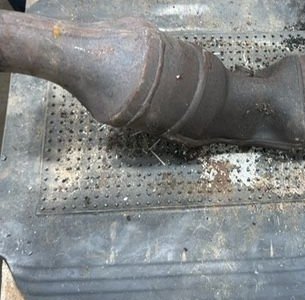
Every year, thousands of catalytic converters get stripped, melted down wrong, or sold to unvetted buyers — and the precious metals inside are lost forever. That's not just a financial problem. It's an environmental one. Understanding catalytic converter scrap value isn't only about getting a fair price. It's about making sure what's inside those converters — palladium, platinum, rhodium — gets recovered properly and put back into the supply chain.
If you're selling converters in Medicine Hat or anywhere across Alberta, this matters to you directly. Proper recycling channels exist. Using them protects the environment, protects your payout, and keeps regulators off your back.
---What's Actually Inside a Catalytic Converter — and Why It's Worth Protecting
Catalytic converters contain a ceramic or metallic substrate coated with platinum group metals (PGMs): platinum, palladium, and rhodium. These metals are among the rarest on earth. Mining them is energy-intensive, environmentally destructive, and expensive. One kilogram of palladium requires processing several tonnes of raw ore. That's why recycled PGMs are so critical to global supply chains.
When converters are processed through unregulated or informal channels, recovery rates drop significantly. The metals either end up in slag, are lost during improper smelting, or simply disappear from trackable supply entirely. Every converter that gets processed wrong is a missed opportunity to recover materials that would otherwise require new mining to replace.
- Palladium — used in gasoline engine converters; one of the most actively traded PGMs globally
- Platinum — more common in diesel converters; essential for industrial and jewelry applications
- Rhodium — the rarest and most volatile of the three; small amounts yield significant value
- Ceramic substrate — the honeycomb structure; recoverable and recyclable separately
Getting accurate catalytic converter scrap value depends on knowing what's inside. Not all converters carry the same PGM loading. A small domestic converter might carry a fraction of what a large OEM diesel cat holds. Working with platforms that use serial tracking, VIN lookup, and documented inventory means you're not guessing — and neither is your buyer.
---The Environmental Case for Recycling Converters Through Legitimate Channels
The argument for proper recycling goes beyond market value. In 2026, environmental accountability in scrap recycling is a real regulatory pressure — not just a talking point. Federal and provincial frameworks across Canada increasingly require chain-of-custody documentation for high-value scrap materials, particularly anything containing PGMs.
Alberta operates under environmental protection regulations that apply to scrap processors and recyclers. If you're running a yard in Medicine Hat and you're moving converters without proper documentation, you're exposed — both legally and financially. Regulators are looking at where material ends up, not just where it starts. That means smelters, processors, and secondary buyers are all part of the chain of accountability.
Beyond compliance, there's a straightforward environmental logic:
- Recycled PGMs displace newly mined metals. Less demand for virgin palladium means fewer mines operating at full capacity — a measurable reduction in energy use, water consumption, and habitat disruption.
- Proper processing prevents toxic byproduct release. Informal smelting releases harmful emissions. Licensed processors operate within regulated emission thresholds.
- Documented recycling creates traceable supply chains. This matters to automakers, electronics companies, and industrial buyers who are under increasing pressure to source responsibly.
When you sell catalytic converters through a vetted marketplace, you're not just getting a better price — you're feeding a supply chain that has accountability built in. That's the version of this industry that survives long-term regulatory scrutiny.
---Why Palladium Price Today Directly Affects What You Get Paid
PGM markets move daily. The palladium price today — along with platinum and rhodium — determines what your converters are actually worth at any given moment. This is why selling converters based on a static price list is a losing strategy. A buyer quoting you a flat rate per unit is either banking a wide margin or offloading risk onto you by locking in a price that doesn't reflect current markets.
Real-time pricing matters. When you use a platform that ties converter values to live PGM spot prices, you get a number that reflects what the market actually says — not what one buyer decided last Tuesday. If palladium has moved up since your last sale, you should see that in your offer. If it's corrected, you need to know that too before you commit.
This is one of the core reasons sellers across Alberta are moving away from single-buyer relationships. One buyer, one call, one number — that's not price discovery. That's a guess dressed up as a quote. To find the best scrap converter prices in Canada, you need competition and transparency working at the same time.
The same logic applies whether you're in Medicine Hat, Edmonton, or Red Deer. PGM markets don't have regional pricing. Your local buyer does. That gap is where you're leaving money on the table.
---How Digital Platforms Are Changing the Way Converters Get Sold in Alberta
The shift to online converter selling isn't just a convenience story. It's an accountability story. When you sell catalytic converters online through a documented, auction-based platform, every step of the transaction is on record. Photo documentation. Serial tracking. VIN lookup. Inventory tools that let buyers assess what they're bidding on before they commit.
That documentation trail serves two purposes. First, it protects you as a seller — you have a record of what you sent, what it was identified as, and what you were paid. Second, it feeds the environmental accountability chain. Buyers who know exactly what they're getting can process it correctly. No guesswork means less waste, better recovery rates, and more of those rare metals actually making it back into the supply chain.
SMASH is built around this model. The platform connects vetted buyers with sellers across North America, runs a competitive auction format, and handles documentation — including auto-invoicing — so nothing falls through the cracks. For sellers in sell catalytic converters Alberta markets, this means access to buyers beyond your immediate geography without sacrificing transparency or compliance.
SMASH doesn't charge subscription fees. You don't pay to list. The platform only wins when the seller wins. That's a different structure than most middleman arrangements, and it changes the incentive entirely. To check current Canadian scrap converter prices and understand what competitive selling actually looks like, you need more than one buyer at the table.
For a broader view of how the Canadian scrap industry is evolving in 2026, read Canadian scrap converter pricing guides that break down the market by metal type, region, and converter category.
---What Responsible Converter Recycling Looks Like on the Ground in Medicine Hat
Medicine Hat has a working industrial base — oil and gas, agriculture, manufacturing — and that means a steady stream of vehicles cycling through. Converters off fleet trucks, farm equipment, and older passenger vehicles all carry different PGM profiles. Knowing the difference, and selling accordingly, is how experienced yards maximize returns.
Responsible recycling at the yard level starts before the sale. That means:
- Separating converter types — foil cats, ceramic cats, diesel particulate filters (DPFs), and pre-cats all have different values and should be identified before listing
- Photographing serial numbers — both for documentation purposes and to enable accurate grading by buyers
- Keeping converters intact — don't de-can unless a specific buyer requires it; intact converters are generally easier to grade and transport
- Tracking BOLs and packing lists — especially when shipping loads outside Alberta to a processor
This isn't just best practice. It's becoming standard expectation. Buyers on legitimate platforms won't bid blind on undocumented loads. The market rewards preparation. And yards that come in organized consistently see better price discovery than those who show up with a pile and a hope.
Alberta's regulatory environment in 2026 is moving toward tighter documentation requirements for PGM-bearing scrap. Getting ahead of that now — building the documentation habits, using platforms with built-in tracking — is how you avoid scrambling when enforcement tightens.
For converters moving through Alberta and across Canada, Canada's B2B scrap recycling marketplace provides the infrastructure to do this right.
---Pricing Transparency Is an Environmental Issue, Not Just a Business One
This might sound like a stretch, but follow the logic. When converter sellers don't get fair market value, they look for shortcuts. Converters end up in informal channels. Informal channels have lower recovery rates. Lower recovery rates mean more PGMs lost to waste — and more pressure to mine new metals to fill the gap. The transparency problem and the environmental problem are the same problem.
Platforms that create genuine competition — multiple vetted buyers, documented loads, real-time market pricing — solve both sides of this equation. Sellers get more. The environment gets better outcomes. That's not marketing language. That's how supply chains actually function when they're designed well.
If you're based in Medicine Hat or anywhere across Alberta and you're still relying on a single buyer relationship for your converter loads, the market has moved past that model. Competition can help reveal the market. More buyers means better price discovery. And documented inventory gives buyers more confidence — which translates directly into stronger bids.
Disclaimer: Catalytic converter prices fluctuate daily based on PGM spot markets. Always verify current rates before selling. The figures and market conditions referenced in this article reflect general 2026 market dynamics and are not guarantees of specific pricing.
If you're ready to stop guessing and start selling with real data behind you, the place to start is straightforward — find the best scrap converter prices in Canada and get a free quote at best-scrap-converter-prices.ca.
---Frequently Asked Questions
Q: Why does proper catalytic converter recycling matter environmentally?
Catalytic converters contain platinum group metals — palladium, platinum, and rhodium — that are extremely rare and energy-intensive to mine. When converters are processed through unregulated channels, these metals are often lost to waste rather than recovered. Proper recycling returns PGMs to the supply chain, reducing the need for new mining and the environmental impact that comes with it.
Q: How does the palladium price today affect my catalytic converter scrap value?
Palladium is one of the primary PGMs recovered from catalytic converters, especially those from gasoline-powered vehicles. Because PGM spot prices move daily, your converter's scrap value shifts with the market. Working with a platform that uses real-time pricing ensures your quote reflects current market conditions — not a flat rate set weeks ago by a single buyer.
Q: Can I sell catalytic converters online from Medicine Hat, Alberta?
Yes. Platforms like SMASH connect sellers across Alberta — including Medicine Hat — with vetted buyers across North America. You document your inventory, list your converters through the platform, and buyers compete in an auction format. This approach typically results in better price discovery than selling to a single local buyer, and the full transaction is documented for compliance purposes.
Q: What documentation do I need to sell catalytic converters in Alberta?
In 2026, Alberta's regulatory environment increasingly expects chain-of-custody records for high-value scrap materials including PGM-bearing converters. At a minimum, you should photograph serial numbers, record converter types (ceramic, foil, DPF), and maintain packing lists and bills of lading for any loads shipped to processors. Using a platform with built-in inventory tracking makes this significantly easier.
Q: How do I know I'm getting a fair price for my converters in Canada?
The most reliable indicator of a fair price is competition. When multiple vetted buyers bid on your load simultaneously, the market reveals itself. A single buyer quoting a flat rate per unit is setting their own margin — not reflecting the market. For the most accurate sense of what your converters are worth, compare offers, use platforms with real-time PGM-tied pricing, and document your inventory so buyers have confidence in what they're bidding on.
---Stay current on scrap metal markets and industry news — follow SMASH on LinkedIn for regular updates on PGM pricing, regulatory changes, and what's moving in the Canadian converter market.