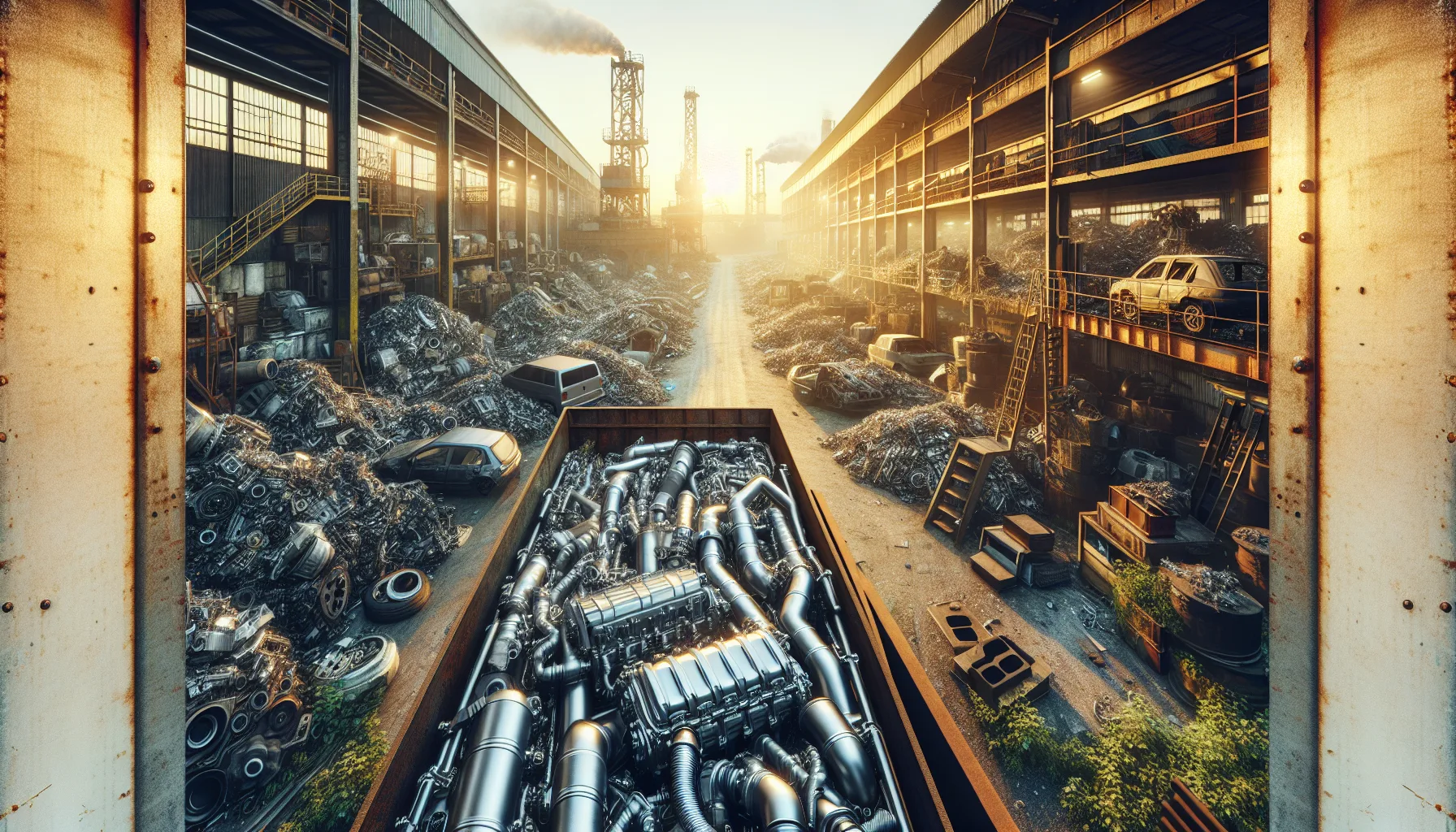
Understanding OEM catalytic converter value requires recognizing the fundamental differences between diesel and gasoline catalytic converters. These emission control systems serve different purposes, contain varying precious metal concentrations, and command distinct pricing structures in today's Canadian scrap market. For converter sellers in Medicine Hat and across Alberta, knowing these differences directly impacts your potential returns.
Diesel engines use Diesel Particulate Filters (DPF) and Diesel Oxidation Catalysts (DOC), while gasoline engines rely on traditional three-way catalytic converters. Each system targets specific pollutants and employs different precious metal compositions to achieve emission compliance standards.
Understanding Diesel DPF and DOC Systems
Diesel particulate filters focus primarily on capturing soot particles rather than chemical conversion. DPF units contain significantly less precious metals compared to their gasoline counterparts. Most DPF value comes from the ceramic substrate and housing materials rather than platinum, palladium, or rhodium content.
DOC systems complement DPF units by oxidizing carbon monoxide, hydrocarbons, and some particulate matter. These converters contain higher precious metal loadings than DPF units but still typically hold less value than gasoline catalytic converters. The precious metals in DOC systems primarily consist of platinum with minimal palladium content.
Medicine Hat's industrial sector includes numerous diesel vehicles and equipment, making understanding these systems crucial for local scrap dealers. Platforms like SMASH help identify specific diesel converter types and their corresponding market values based on current precious metal prices.
Gasoline Catalytic Converter Composition and Value
Traditional gasoline catalytic converters contain higher concentrations of precious metals per unit compared to diesel systems. Three-way catalysts simultaneously reduce nitrogen oxides, carbon monoxide, and unburned hydrocarbons through chemical reactions requiring platinum, palladium, and rhodium.
The catalytic converter prices today reflect these precious metal loadings directly. Gasoline converters from luxury vehicles or high-performance engines often contain premium metal concentrations, resulting in higher scrap values. European and Japanese OEM converters frequently command premium prices due to their sophisticated emission control requirements.
Current market conditions in 2026 show gasoline converter values ranging from moderate to exceptional depending on vehicle make, model, and year. Hybrid vehicle converters often contain the highest precious metal concentrations since they operate under varying temperature conditions.
Precious Metal Content Variations
Diesel systems primarily rely on platinum for their catalytic reactions. This single-metal focus creates more predictable pricing patterns compared to gasoline converters using multiple precious metals. However, platinum's market volatility still creates significant price fluctuations for diesel converter values.
Gasoline converters utilize complex ratios of platinum, palladium, and rhodium. These ratios vary by manufacturer, emission standard requirements, and engine specifications. The multi-metal composition creates more complex valuation scenarios but often results in higher overall values.
Effective scrap metal inventory management requires tracking these different precious metal compositions. Modern pricing platforms help identify converter types and their specific metal content ratios. This knowledge enables more accurate pricing negotiations when selling converters in Medicine Hat's competitive scrap market.
Understanding serial number systems becomes crucial for maximizing returns. Many converters display part numbers indicating their precious metal content and corresponding values. SMASH's database includes comprehensive serial number references helping sellers identify their converter values accurately.
Market Pricing Dynamics in 2026
Alberta's scrap converter market reflects global precious metal trends while maintaining regional pricing variations. Diesel converter values remain more stable due to their simpler composition, while gasoline converter prices fluctuate with multi-metal market dynamics.
The SMASH scrap metal auction platform demonstrates these pricing differences daily through transparent bidding processes. Diesel DPF units typically receive consistent but moderate pricing, while high-grade gasoline converters generate competitive bidding scenarios.
Regional factors influence converter values across Alberta. Transportation costs, processing capabilities, and local demand create pricing variations between urban centers like Calgary and smaller communities like Medicine Hat. Understanding these regional differences helps optimize selling strategies.
Current market intelligence shows increased demand for specific converter types in 2026. Electric vehicle adoption has created supply constraints for certain traditional converter models, potentially increasing values for remaining units in circulation.
Identification and Valuation Strategies
Proper converter identification starts with understanding physical differences between diesel and gasoline systems. Diesel DPF units appear larger and heavier due to their particulate filtering requirements. DOC systems resemble traditional converters but often display different mounting configurations.
Serial number identification provides the most accurate valuation method. A comprehensive catalytic converter price list by serial number enables precise value determination rather than general estimates. This accuracy becomes essential when dealing with high-value converters where small identification errors result in significant financial losses.
Visual inspection reveals additional clues about converter types and values. Gasoline converters typically show honeycomb ceramic structures, while diesel systems may display different internal configurations. Housing materials and mounting brackets also indicate converter applications and potential values.
Professional evaluation services help verify converter identifications and values. These services become particularly valuable for unusual or high-value units where accurate identification determines substantial price differences. Many Medicine Hat area businesses utilize these services for inventory verification.
Digital tools streamline the identification process. Modern apps and online databases allow instant converter lookups using photos or serial numbers. These tools help answer questions like "how much is my catalytic converter worth by reg free" by providing immediate value estimates based on current market data.
Whether you're dealing with diesel DPF systems or gasoline converters, understanding their fundamental differences maximizes your returns in today's dynamic scrap market. Professional platforms like SMASH provide the market transparency and pricing accuracy needed to navigate these complex valuation scenarios successfully. When you're ready to find the best scrap converter prices in Canada, having this knowledge ensures you receive fair value for your materials.
Frequently Asked Questions
Q: How can I tell if my converter is from a diesel or gasoline vehicle?
Diesel converters (DPF/DOC) are typically larger and heavier than gasoline units. Check the vehicle type or look for "DPF" markings on the converter housing. Serial numbers often indicate the system type through manufacturer coding systems.
Q: Do diesel converters contain less precious metals than gasoline converters?
Yes, diesel DPF units contain minimal precious metals since they primarily filter particles mechanically. DOC systems contain some precious metals but generally less than gasoline three-way catalysts which require higher metal concentrations for chemical conversion processes.
Q: Where can I get accurate pricing for converters in Medicine Hat?
Use online platforms that provide real-time pricing based on precious metal markets. Check current Canadian scrap converter prices through verified databases that include serial number lookups and current market values for your specific region.
Q: Why do gasoline converter prices fluctuate more than diesel converter prices?
Gasoline converters contain multiple precious metals (platinum, palladium, rhodium) whose individual market prices create complex pricing dynamics. Diesel systems primarily use platinum, creating more predictable but still variable pricing patterns.
Q: How do I determine OEM catalytic converter value accurately?
Identify the exact serial number and cross-reference it with current pricing databases. Consider the converter type (diesel vs gasoline), vehicle application, and current precious metal market conditions. Professional evaluation services can verify high-value units when accuracy is critical.
Ready to maximize your converter returns? Find the best Canadian scrap converter prices — get a free quote at best-scrap-converter-prices.ca and discover how understanding these converter differences translates into better profits for your scrap business. For additional insights into Canadian market trends and pricing strategies, read Canadian scrap converter pricing guides and connect with Canada's B2B scrap recycling marketplace for comprehensive market access.
Follow SMASH on LinkedIn for the latest industry updates and scrap metal market insights that help you stay ahead of pricing trends and market opportunities.