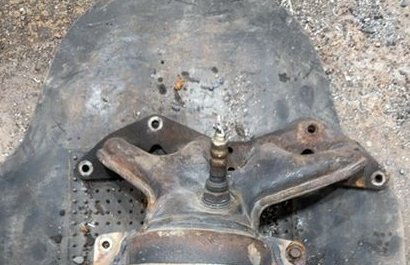
Most people leaving money on the table don't even realize it. If you're pulling a catalytic converter off a scrapped vehicle and planning to toss it in with your general metal load, you're probably giving away hundreds of dollars. Knowing how to safely remove a catalytic converter — and what to do with it after — can be the difference between a throwaway part and a serious payout. Catalytic converter prices today are driven by platinum, palladium, and rhodium content, and those precious metals don't care whether your removal was clean or sloppy. What buyers care about is condition, documentation, and whether the unit is intact.
This guide walks you through safe removal, what tools you actually need, how condition affects your scrap converter prices in Canada, and how platforms like the SMASH Recycling auction platform are changing the way sellers in Ontario get competitive bids on their converters.
---Why Safe Removal Directly Affects Your Scrap Converter Value
A catalytic converter isn't just a steel pipe. Inside that shell is a ceramic or metallic substrate coated with precious metals — and that substrate is fragile. Drop it wrong, crack the honeycomb inside, or cut the housing in the wrong place, and you've reduced the recoverable precious metal content. Buyers notice. Processors notice. Your payout reflects it.
Before you even pick up a grinder or torch, understand this: the goal isn't just to get the converter off the vehicle. The goal is to get it off intact, documented, and ready to sell at full scrap converter value in Canada. A unit with a cracked substrate can sell for significantly less than a clean, intact one — even if the precious metal content is identical on paper.
- Intact substrate = full precious metal recovery = better payout
- Crushed or cracked unit = reduced recovery = lower offer
- Missing end pipes = fine, buyers just want the cat itself
- Documentation (VIN, make, model) = more buyer confidence = more competitive bids
Tools You Need Before You Start
Don't improvise. Catalytic converters are bolted, welded, or clamped into the exhaust system. Rushing it without the right tools means a damaged unit — or a damaged person. Safety first isn't a slogan here. Exhaust systems on older vehicles can be rusty, brittle, and unpredictable when force is applied.
Here's what you need on the bench before you start:
- Angle grinder or reciprocating saw — for cutting the exhaust pipe on either side of the converter. Leave 2–4 inches of pipe on each end to avoid cutting into the converter housing itself.
- Penetrating oil (like PB Blaster) — apply to bolts and flanges 15–30 minutes before you start. Rusty exhaust bolts are a fight you want to win before it starts.
- Impact wrench or breaker bar — for flange bolts where the cat is clamped or bolted in.
- Safety glasses and gloves — non-negotiable. Rust particles, exhaust debris, and metal shards travel fast.
- Heat shield awareness — most converters have a heat shield above them. Remove it carefully — it's usually spot-welded or screwed on.
- Exhaust hanger awareness — cutting one side of the exhaust without supporting it lets the whole system drop. Use a jack stand or exhaust hanger to control the drop.
If the vehicle has been sitting, let it cool completely. A hot catalytic converter can hit 800°F or higher under load. Even a vehicle that's been parked for an hour can retain dangerous heat in the exhaust system.
Step-by-Step: How to Remove a Catalytic Converter Safely
This is the practical part. Follow this in order and you'll pull a clean, intact unit every time.
- Confirm the vehicle is cold and safely supported. Use proper jack stands — never work under a vehicle on a floor jack alone.
- Spray penetrating oil on all flange bolts and clamped connections. Wait at least 15 minutes. On older vehicles in Ontario, rust is aggressive — don't skip this.
- Identify the converter location. Most passenger vehicles have one cat, typically positioned close to the engine (pre-cat or primary) and/or midway down the exhaust (secondary). SUVs and trucks may have two.
- Remove or loosen the heat shield. This gives you better access and reduces the risk of accidental damage to the housing.
- Support the exhaust system. Use a jack stand or wire to hold the downstream exhaust so it doesn't drop and torque the converter when you cut or unbolt.
- Cut the pipe — not the converter. Leave 2–4 inches of pipe on each side. A clean cut with a reciprocating saw is preferable to a grinder near the housing.
- If flange-bolted: remove the bolts cleanly. If they're seized, apply more penetrating oil, use heat from a propane torch (carefully, away from fuel lines), then try again.
- Lower the converter and inspect it immediately. Shake it gently near your ear — rattling means a cracked or loose substrate, which affects value.
- Record the VIN, year, make, model, and engine size. This data drives price lookup tools and makes your unit more attractive to buyers.
Yards and buyers in Brampton and across Ontario are increasingly asking for VIN documentation before quoting. It's not bureaucracy — it's theft deterrence, and it protects you as a legitimate seller too. Proper documentation means faster, cleaner transactions.
What Happens to Catalytic Converter Prices Today Based on Condition
Once the converter is off, condition determines where you start in price negotiations. Find the best scrap converter prices in Canada by understanding exactly what buyers are evaluating when they look at your unit.
Buyers and processors assess converters on a few key factors:
- Substrate integrity — intact honeycomb means maximum precious metal recovery
- Type of converter — foil-type (metallic substrate) vs. ceramic; different recovery processes, different values
- Vehicle data — OEM converters from certain manufacturers carry significantly higher platinum group metal (PGM) loadings
- Aftermarket vs. OEM — aftermarket cats typically have far lower precious metal content; many buyers pay a fraction of OEM value for these
- Physical damage — crushed housing, melted substrate, or core-out (substrate removed) dramatically reduces value
Used catalytic converter scrap value in Canada fluctuates daily based on platinum, palladium, and rhodium spot prices. A converter worth $180 CAD one week may quote differently the next depending on global PGM markets. That's exactly why locking in a quote through a competitive platform — rather than accepting the first number a single buyer throws at you — matters. To check current Canadian scrap converter prices, use a real-time lookup tool that ties to live precious metal markets rather than stale posted prices.
Can You Take a Catalytic Converter to a Scrap Yard in Ontario?
Yes — and no. Most scrap yards in Ontario will take catalytic converters, but many general metal yards treat them as low-value bulk scrap and won't offer you anywhere near the actual PGM market value. They may weigh it with your other ferrous metal and give you a per-pound price based on the steel housing, not the substrate inside. That's leaving real money behind.
Specialized converter buyers and auction platforms exist for exactly this reason. Rather than dropping your cat in with a load of angle iron at a general yard in Brampton or anywhere else in Ontario, you route it through a channel where buyers are actually competing based on PGM content — not just shell weight. That's the core difference between a converter-aware buyer and a general scrap yard.
SMASH approaches this problem directly. Instead of a single buyer making you a take-it-or-leave-it offer, SMASH scrap puts your converter in front of vetted buyers in a competitive auction format. More buyers, real competition, better price discovery. No subscription fees. You only pay when you sell. If you're holding catalytic converters from multiple vehicles or a commercial fleet in Brampton, that competition adds up fast.
To understand how the auction model works compared to the old single-buyer cold call approach, read Canadian scrap converter pricing guides that break down what competitive bidding actually means for your bottom line.
How SMASH Connects Converter Sellers to Real Buyers Across Ontario
The old way: call one buyer, get one price, take it or walk. The SMASH way: list your converter with documentation, let vetted catalytic converter buyers in Ontario compete, and see what the market actually says your unit is worth.
SMASH isn't a general scrap marketplace. It's built for this. The platform handles inventory tracking, photo documentation, serial and VIN tracking, and auto-invoicing — the paperwork that slows down converter transactions at traditional yards. Buyers on the platform are vetted, which matters in a market where converter theft documentation requirements are tightening across Canada.
For sellers in Brampton processing multiple converters, having a documented record of each unit — VIN, photo, condition notes — isn't just good practice. In Ontario, it's becoming an expectation from serious buyers. SMASH builds that documentation into the workflow, not as an afterthought. That makes every transaction cleaner and gives buyers more confidence, which translates directly into more competitive bids.
The catalytic converter auction model works because it applies real market pressure to a process that's historically been opaque. Sellers have guessed their price. Buyers have lowballed with confidence. Platforms like SMASH remove the information gap. That's not hype — that's how competition functions.
---Frequently Asked Questions
Q: What are catalytic converter prices today in Canada?
Catalytic converter prices in Canada fluctuate daily based on platinum, palladium, and rhodium spot prices on global markets. There is no single fixed rate — prices vary by converter type, vehicle make and model, and substrate condition. Always use a real-time pricing tool or get a quote from a competitive buyer platform rather than relying on posted prices that may be days or weeks old.
Q: Can you take a catalytic converter to a scrap yard in Brampton?
Yes, most scrap yards in Brampton accept catalytic converters. However, general yards often price them based on shell weight rather than precious metal content, which significantly undervalues most OEM units. For better price discovery, route your converter through a specialized buyer or a competitive auction platform like SMASH, where buyers bid on actual PGM content.
Q: How does a catalytic converter auction work?
A catalytic converter auction works by listing your unit — with documentation, photos, and vehicle data — on a platform where multiple vetted buyers submit competing bids. Instead of accepting one buyer's offer, you see real market demand. SMASH operates exactly this way, with no subscription fees and auto-invoicing built in.
Q: Does removing the substrate affect the scrap value of a catalytic converter?
Yes — significantly. Removing the substrate (the ceramic or metallic honeycomb inside) essentially destroys the value of the converter since that's where the precious metals are. Buyers refer to these as "de-canned" or "cored out" units and typically pay very little for the steel shell alone. Always sell the converter intact.
Q: Is it legal to sell a used catalytic converter in Ontario?
Yes, selling a used catalytic converter from a vehicle you own or have legally processed is legal in Ontario. However, scrap yards and buyers are increasingly required to document the source of converters — including VIN, seller ID, and proof of ownership — as part of provincial and municipal theft deterrence measures. Always bring proper documentation when selling.
---If you're pulling converters off scrapped vehicles — whether one unit or a commercial load in Brampton — the difference between guessing and knowing your price is real. Precious metal markets move, buyer demand shifts, and a single phone call to one yard is not a price. It's one opinion. SMASH scrap gives you actual market competition. Start by getting a baseline — find the best scrap converter prices in Canada at best-scrap-converter-prices.ca and see what your converter is actually worth before you hand it over for less.
Follow SMASH on LinkedIn for ongoing scrap metal market insights, pricing updates, and industry news across Canada.
Disclaimer: Catalytic converter prices fluctuate based on live precious metal markets. All values referenced are general in nature. Always check current rates before selling.