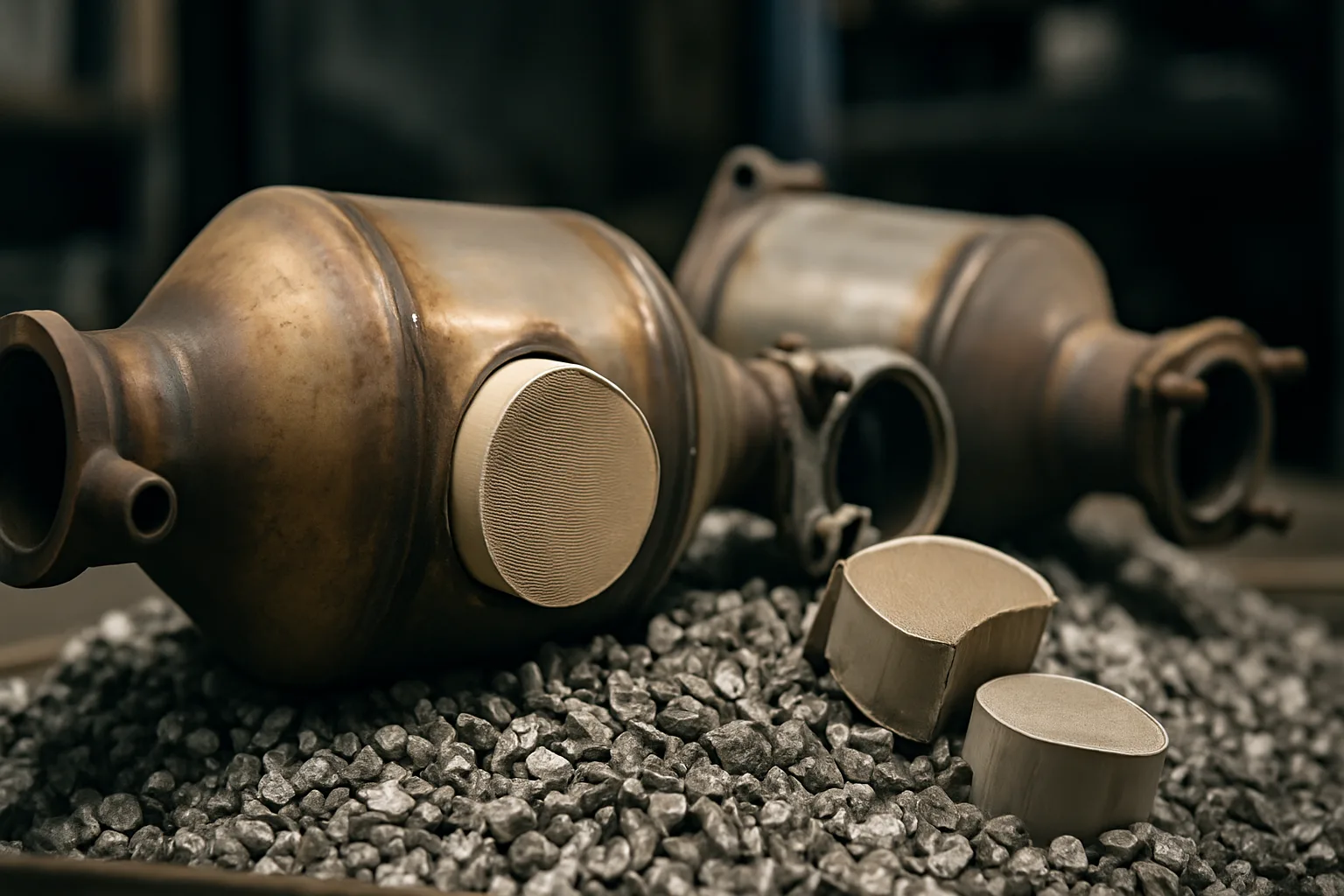
Most people selling a scrap catalytic converter focus on the price. That makes sense. But the removal step matters more than most sellers realize — a botched removal can damage the substrate inside, reduce the assay value, and cost you real money before the converter ever reaches a buyer. Whether you're working on a single unit from a junked sedan in Scarborough or pulling a batch of converters from a fleet teardown, the process is the same: remove it clean, document it properly, then sell it through a platform that actually competes for your load.
This guide walks you through the safe removal process step by step. It also covers why documentation and buyer competition directly affect the best catalytic converter price Scarborough sellers can realistically achieve — because the two are more connected than most people think.
---Why the Removal Process Affects Your Scrap Converter Value
A catalytic converter's value lives inside the substrate — the ceramic or metallic honeycomb structure coated with platinum group metals (PGMs): platinum, palladium, and rhodium. The rhodium price today can swing dramatically, and since rhodium is one of the rarest and most valuable PGMs, even small substrate damage can reduce the recoverable yield a refiner gets from your unit.
When you crack the substrate through rough handling, excessive heat during cutting, or impact damage, you lose material. Refiners assay the substrate to determine payout. Less intact substrate means a lower assay weight, which means less money — regardless of what the converter was listed as. Buyers at auction can tell the difference between a clean pull and a damaged one, and they price accordingly.
Here's what causes the most substrate damage during removal:
- Using an angle grinder too close to the converter body
- Hammering the converter loose instead of cutting the pipes
- Applying excessive torch heat directly to the converter housing
- Dropping the unit on hard concrete after removal
- Storing loose converters in a way that allows them to bang together
Protect the substrate and you protect the price. It's that simple.
---Tools and Safety Gear You Need Before You Start
Don't skip this section. Catalytic converter removal involves exhaust systems that may still be hot, rusted pipes under tension, and sharp metal edges. Shops across Ontario deal with injuries every year from rushed teardowns. A few minutes of setup prevents serious harm.
Required safety gear:
- Heavy leather or cut-resistant gloves
- Safety glasses or a full face shield
- Steel-toed boots
- Hearing protection if using power tools
- A respirator rated for metal dust and fumes (N95 minimum, P100 preferred)
Tools for the job:
- Reciprocating saw with a bi-metal blade — the preferred tool for clean pipe cuts
- Angle grinder with a cutting disc — use carefully, keep distance from the converter body
- Pipe wrench or strap wrench for loosening flanged connections
- Penetrating oil (apply 15–30 minutes before cutting if bolts are rusted)
- Floor jack and jack stands rated for the vehicle weight
- Wheel chocks
Never work under a vehicle supported only by a hydraulic jack. Jack stands are non-negotiable. If you're running a yard or shop in Scarborough doing volume teardowns, a proper lift makes this process significantly faster and safer.
---Step-by-Step: How to Remove a Catalytic Converter Safely
The goal is to remove the converter with its housing fully intact, substrate undamaged, and pipes cut cleanly enough that the unit is easy to identify and photograph. Follow this sequence:
- Confirm the vehicle is cool. Exhaust systems reach extreme temperatures. Wait at least two hours after the last engine run before working near the exhaust. A thermal burn from an exhaust pipe happens fast and heals slowly.
- Lift and secure the vehicle. Jack up the vehicle at the manufacturer's recommended lift points. Set jack stands under the frame. Chock the rear wheels if working at the front. Never rush this step.
- Locate the converter. Most converters sit directly after the exhaust manifold, though some vehicles carry multiple converters. On trucks and SUVs, the converter is often more accessible than on low-clearance cars. Use a flashlight to identify the inlet and outlet pipes and any flange connections or oxygen sensor bungs.
- Apply penetrating oil if needed. Rusted flange bolts are the most common source of delays and injuries. Soak the bolts and any clamped connections with penetrating oil and wait. Trying to force corroded fasteners is how pipes snap and knuckles get torn open.
- Cut the pipes, not the converter. Use your reciprocating saw to cut the inlet and outlet pipes at least 4–6 inches away from the converter housing. This gives the buyer (and the assayer) clean reference points and ensures you haven't introduced heat near the substrate. Never grind directly on the converter body.
- Disconnect flange bolts if applicable. Some converters mount via flanges with bolts rather than welded pipe. Use your wrench to remove the bolts after applying penetrating oil. Support the converter with your hand — don't let it drop.
- Remove oxygen sensors carefully. Some units have O2 sensors threaded into the converter housing. These are often seized. An O2 sensor socket (22mm in most cases) and a breaker bar will handle most of them. Leave them attached if they won't budge — forcing them can crack the housing.
- Lower the converter carefully. Cradle it. Set it down on a rubber mat or wooden surface. Concrete drops crack substrates.
That's the removal. Clean, documented, and ready for the next step — which is where most sellers leave money on the table.
---Documenting Your Converter Before You Sell — This Part Pays
Here's what separates a seller who gets a fair price from one who gets whatever a single buyer decides to offer. Documentation. Before your converter goes anywhere, photograph it from multiple angles: top, bottom, both pipe ends, and the stamped serial number or part number on the housing.
That serial number matters more than most sellers know. It tells a buyer the make, model, year, engine size, and substrate type — which directly predicts PGM loading. Platforms like SMASH Recycling — where verified buyers bid on your metal use this data to match your converter with buyers who specialize in specific unit types, which means more accurate bids and better price discovery.
If the serial is worn or illegible, photograph the vehicle VIN, the pipe configuration, and any heat shields still attached. More information always helps. Buyers who can't identify a unit will discount their bid to compensate for uncertainty. Give them certainty and you give yourself a better number.
For yards doing volume in Scarborough or anywhere across Ontario, consistent documentation practices also create a paper trail that protects you legally. Ontario's scrap metal dealer regulations require transaction records — photo documentation and serial tracking satisfy that requirement and make audits straightforward.
---Where to Sell for the Best Catalytic Converter Price in Scarborough
You've got a clean converter, photos, and a serial number. Now you need a buyer — ideally multiple buyers competing against each other. The single-phone-call method still works if you're happy leaving money on the table. Call one yard, take whatever they offer, move on. That's how this market worked for decades.
The better approach is competitive bidding. When multiple vetted buyers see the same documented converter and compete on price, you get a real market number instead of one buyer's margin decision. That's exactly what SMASH is built for. No subscription fees. They only make money when you do.
If you're trying to find the best scrap converter prices in Canada, the platform matters as much as the preparation. A perfectly pulled converter sold to a single buyer at a take-it-or-leave-it price can still underperform a slightly less perfect unit sold through an auction format with real buyer competition.
PGM markets — platinum, palladium, and rhodium — move daily. The rhodium price today may look very different than it did last week. Selling through a live-market platform means your price reflects current conditions, not a buyer's best guess at what the market will do next month. To stay current on how PGM values affect your payout, read Canadian scrap converter pricing guides that break down the latest market movements.
For context, scrap metal recycling Canada has grown increasingly sophisticated over the past few years, with more buyers tracking live PGM spot prices and adjusting bids in real time. That's good news for sellers who document their units and sell through competitive channels. It's less good news for sellers who rely on relationships built when rhodium was at a fraction of its current value.
---A Note on Pricing Across Markets
If you've been researching prices and found references to markets like the scrap catalytic converter price per kg South Africa or other international benchmarks, understand that those numbers don't directly translate to Canadian payouts. Currency exchange, local refining capacity, freight costs, and buyer margins all shift the final number. Check current Canadian scrap converter prices through a platform that operates in the Canadian market specifically — you'll get numbers that actually reflect what buyers here will pay today.
The same goes for searching catalytic converter dealers near me. Local dealers vary widely in how they price — some track spot PGM prices daily, others work from outdated price sheets. The only way to know what your specific unit is worth right now is to put it in front of multiple informed buyers and let them compete.
Disclaimer: Catalytic converter prices fluctuate based on daily PGM spot prices, unit type, condition, and market demand. Always check current rates before making a selling decision.
---Frequently Asked Questions
Q: What's the safest tool to use when removing a catalytic converter for scrap?
A reciprocating saw with a bi-metal blade is the safest and most practical option for most vehicles. It gives you control over exactly where you cut, lets you keep distance from the converter housing, and produces clean cuts that don't introduce excess heat near the substrate. Avoid hammering the unit loose — that's the fastest way to crack the ceramic inside and reduce your payout.
Q: How do I get the best catalytic converter price in Scarborough?
Document the unit thoroughly — serial number, photos from multiple angles, and vehicle VIN if available. Then sell through a platform that puts your converter in front of multiple vetted buyers rather than a single yard. Competitive bidding through platforms like SMASH gives you real price discovery instead of one buyer's margin call. Preparation and competition together are what drive the best result.
Q: Does substrate damage really affect my payout that much?
Yes, meaningfully. Refiners assay the substrate to determine PGM content and calculate your payout. A cracked or crushed substrate yields less recoverable material, which reduces the assay weight and therefore the price. Clean removal and careful handling protect the value that's already inside the converter — you've already done the hard work by sourcing the unit.
Q: Do I need to remove the oxygen sensor before selling?
Not necessarily. If the O2 sensor is seized, leave it — forcing a stubborn sensor can crack the housing, which is worse than leaving it in place. Buyers can work with a converter that still has an O2 sensor attached. What matters most is that the substrate is intact and the serial number is visible and documented.
Q: How do daily rhodium prices affect what I get for my converter?
Rhodium is one of the three key PGMs recovered from catalytic converters, and it's often the most valuable by weight. When rhodium prices rise, converters with higher rhodium loading — typically from certain European diesel applications and older North American vehicles — see the biggest price jumps. Checking the rhodium price today before you sell helps you time your transaction, especially if you're holding a batch of units and have flexibility on timing.
---If you pulled a converter the right way, documented it properly, and you're ready to find out what it's actually worth in today's market — start at best-scrap-converter-prices.ca. Get a free quote, see current rates, and put your unit in front of buyers who compete for it.
For ongoing market insights, PGM price movements, and scrap metal recycling Canada updates, follow SMASH on LinkedIn — it's where the industry conversation actually happens.