Why Proper Catalytic Converter Recycling Matters More Than You Think
Every year, thousands of catalytic converters are stripped, scrapped, or discarded without a second thought about what's inside them. That's a problem — because each one contains platinum, palladium, and rhodium: three of the rarest and most valuable metals on Earth. With the platinum price today moving in response to global mining supply constraints and industrial demand, the environmental and economic stakes around proper converter recycling have never been higher.
This isn't just a recycling story. It's a resource recovery story — and if you're sitting on a pile of spent cats in a yard in New Westminster or anywhere across British Columbia, getting this right matters for your pocket and the planet.
What's Actually Inside a Catalytic Converter
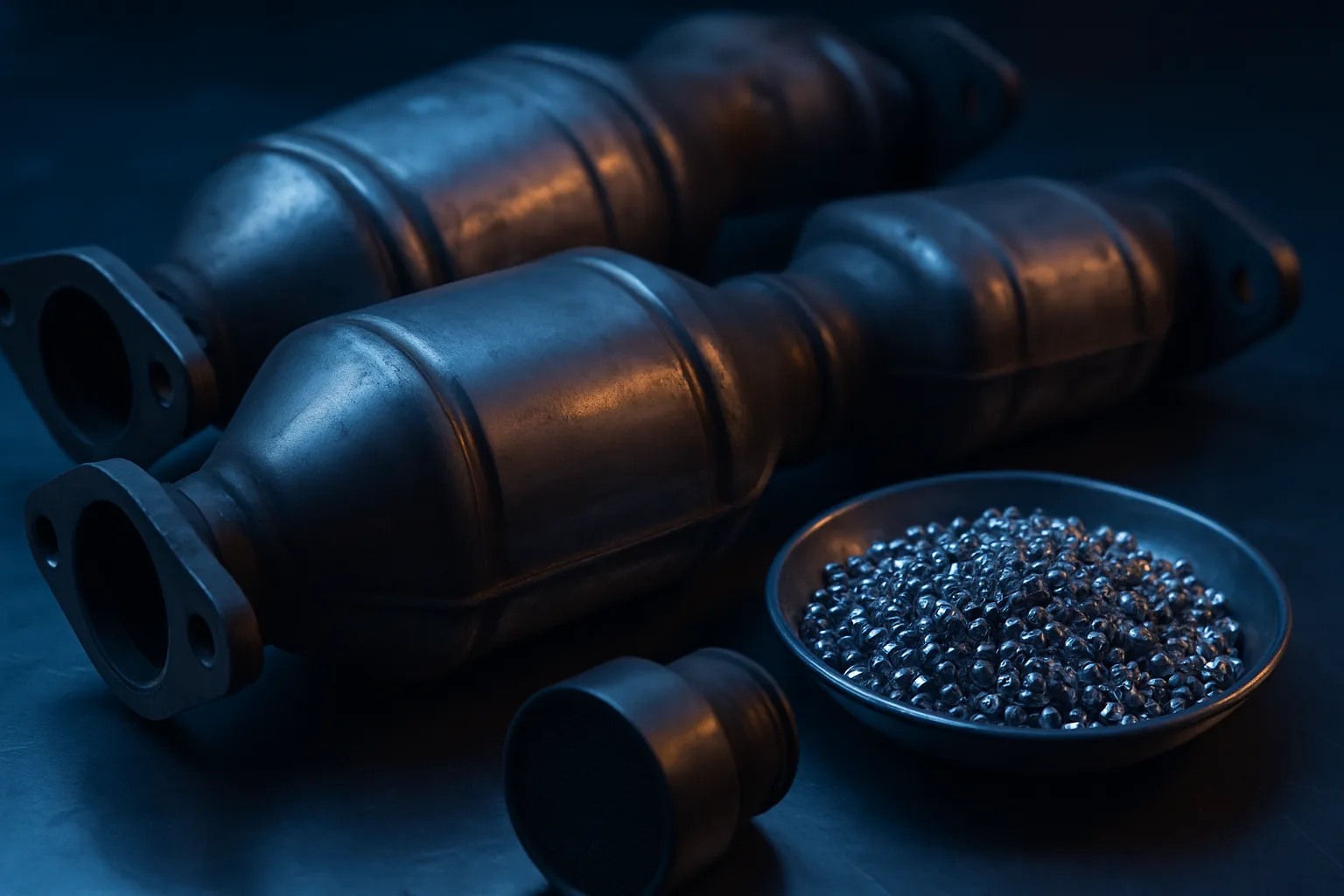
Before we talk about why recycling matters, you need to know what you're dealing with. A catalytic converter houses a ceramic or metalite substrate coated with a precise blend of platinum group metals (PGMs). Those metals — platinum, palladium, and rhodium — act as catalysts that convert toxic exhaust gases into less harmful emissions. The amount in any single unit is tiny. But scale that across millions of vehicles, and the total PGM volume locked inside end-of-life converters is staggering.
Here's why that matters environmentally:
- Mining PGMs is destructive. Platinum and palladium are primarily mined in South Africa and Russia. The extraction process is energy-intensive, land-scarring, and water-heavy. Recovering those same metals from spent converters uses a fraction of the energy.
- Rhodium is critically scarce. Rhodium supply is razor-thin globally. Recycling is one of the only realistic ways to keep it in circulation without tearing up more earth.
- Improper disposal creates hazardous waste. Ceramic substrates, metallic housing, and chemical residue from spent converters can leach into soil and groundwater if dumped improperly.
Proper recycling isn't optional — it's the responsible close to the automotive lifecycle. And it starts with getting your spent cats to a buyer who knows how to process them correctly.
The Platinum Price Today and Why It Drives Recycling Behaviour
Here's the reality of the recycling market: when the platinum price today is strong, converter recycling surges. Yards move inventory faster. Buyers compete harder. Recovery rates improve. When prices dip, the system slows — and improperly stored or abandoned converters become an environmental liability instead of a revenue opportunity.
That price sensitivity is exactly why transparency matters. A converter seller who doesn't know the current platinum price is flying blind. They may accept a lowball offer that undercuts the real PGM value locked in their load. That's money left on the table — but it also means less economic incentive to recycle properly in the first place.
If recovery economics are weak because sellers aren't getting fair value, fewer people bring converters to legitimate recyclers. Some end up in landfills. Some get crushed without PGM extraction. That's a failure at both ends: financial and environmental. To find the best scrap converter prices in Canada, sellers need real-time data tied to live precious metal markets — not a number pulled from a buyer's back pocket.
How the Recycling Chain Works — and Where It Breaks Down
The legitimate catalytic converter recycling chain runs like this: spent converter leaves a vehicle, goes to a yard or aggregator, gets tested and graded, is purchased by a processor, the substrate is smelted, PGMs are refined and re-enter manufacturing supply chains. That loop is clean, efficient, and keeps rare metals in circulation.
But the chain breaks down in a few predictable places:
- No price transparency at the yard level. Sellers don't know what their load is worth. They accept whatever number they're given. Revenue is suppressed, incentive drops.
- No competition among buyers. One buyer, one price. No auction, no tension, no market discovery. The seller takes a single offer or walks away.
- Poor documentation. No VIN tracking, no serial numbers recorded, no photo documentation. This creates compliance problems and muddies the chain of custody — a real issue in British Columbia, where regulations around converter documentation have tightened.
- Unvetted buyers. Not every converter buyer has the processing capability or environmental compliance to handle PGM recovery properly. Selling to the wrong buyer can mean your converters end up with processors who cut corners.
Platforms like SMASH are built to address exactly these failure points. Vetted buyers, auction-format competition, and full inventory documentation keep the chain honest — from the yard gate to the refinery.
What Proper Recycling Looks Like in British Columbia
British Columbia has some of the most environmentally conscious recycling infrastructure in Canada — but that doesn't mean every converter transaction in the province is handled correctly. In the Lower Mainland, yards in New Westminster and surrounding areas process significant volumes of spent catalytic converters from automotive dismantlers, towing operations, and fleet recyclers. The volume is real. The environmental responsibility that comes with it is equally real.
Proper recycling at the yard level in New Westminster means:
- Accurate grading of converter type (domestic, foreign, large foreign, diesel)
- Photo documentation of each unit or load
- Serial number or VIN tracking where applicable
- Sale to processors with verified PGM recovery capability
- Transparent pricing tied to live precious metal markets
The difference between doing this right and doing it casually isn't just environmental. It's financial. A properly documented load sold through competitive bidding — like a catalytic converter auction — consistently reveals better pricing than a single cold-call offer. When you check current Canadian scrap converter prices before you sell, you're not just protecting your margin. You're making sure the economics support the right outcome: full PGM recovery, not landfill diversion.
Why Auction-Format Selling Supports Better Environmental Outcomes
This might not be obvious at first — but auction-format selling and environmental responsibility are directly connected. Here's the logic.
When sellers get full market value for their converters through a catalytic converter auction, the economics of proper recycling improve. Yards are incentivized to aggregate, document, and sell through legitimate channels rather than accepting whatever single offer shows up first. That means more converters flow through verified processors. More PGMs get recovered. Less ends up in the waste stream.
SMASH connects sellers with vetted catalytic converter buyers British Columbia through a competitive auction model that removes the guesswork. No subscription fees. No locked-in single-buyer relationships. Just competition among qualified buyers, full documentation, and pricing that reflects what your load is actually worth based on current precious metal markets.
For yards in New Westminster looking for a catalytic converter buyer New Westminster who can actually compete on price — and process responsibly — the SMASH platform gives you access to a buyer network you wouldn't reach through a single phone call. You can also read Canadian scrap converter pricing guides to understand how PGM markets move before you bring your load to market.
Comparing Your Options: Know Before You Sell
Whether you're a yard operator in New Westminster, a dismantler looking to sell catalytic converter Calgary, or a small shop with a few cats sitting in a bin, your options matter. The buyer you choose determines both the price you get and where those converters ultimately end up. Not all buyers have full processing capability. Not all buyers are transparent about how they grade and price your load.
Some sellers still rely on local scrap yards — operations like Brown's Aluminum & Catalytic Converter Scrap Yard and similar regional buyers — as a starting point for converter sales. These yards can be a legitimate part of the chain. But they're one option. If you're not also testing your load against a broader buyer pool, you have no idea whether the price you're accepting reflects the actual market.
That's the core argument for platforms that aggregate catalytic converter buyers British Columbia — and beyond. More buyers means better price discovery. Better price discovery means the economics support proper recycling. It's a closed loop: financial transparency and environmental responsibility run in the same direction.
For anyone serious about getting the best return on their converter inventory while supporting responsible PGM recovery, Canada's B2B scrap recycling marketplace is worth a close look. SMASH was built by people who know the yard business — and the platform reflects that.
Frequently Asked Questions
Q: How does the platinum price today affect what I get paid for my catalytic converters?
The PGM content in your converters — platinum, palladium, and rhodium — is priced against live commodity markets. When the platinum price today rises, converter values typically follow. That's why checking current precious metal prices before you sell is critical. Accepting an offer without knowing current market rates means you could be leaving significant money behind.
Q: Is there a catalytic converter buyer in New Westminster I can sell to directly?
Yes — New Westminster and the broader Lower Mainland have several buyers operating in the converter market. That said, selling to a single local buyer without testing the broader market limits your price discovery. Platforms like SMASH connect you with vetted buyers across British Columbia and beyond, so you get competitive offers rather than a single take-it-or-leave-it number.
Q: Why does proper catalytic converter recycling matter environmentally?
Catalytic converters contain platinum, palladium, and rhodium — metals that require destructive and energy-intensive mining to extract from the earth. Recovering those metals through recycling uses significantly less energy and avoids new mining impact. Improper disposal also risks hazardous waste contamination from ceramic substrates and chemical residues.
Q: What documentation do I need to sell catalytic converters in British Columbia?
British Columbia has regulatory requirements around converter documentation, including record-keeping for serial numbers and seller identification in many jurisdictions. Proper documentation protects you legally, supports chain of custody, and gives buyers more confidence in your load — which can support better pricing. SMASH's inventory tool helps you capture photos, serials, and load details before your auction goes live.
Q: Can I sell catalytic converters through an auction platform if I'm in Calgary or outside British Columbia?
Absolutely. SMASH serves yards and sellers across Canada. If you're looking to sell catalytic converter Calgary or from any other province, the auction format works the same way — vetted buyers compete on your load, pricing reflects current precious metal markets, and documentation is handled digitally. Geography doesn't limit your buyer pool.
The environmental case for proper catalytic converter recycling is clear. But environmental responsibility doesn't happen in isolation from economics — it happens because the economics make it worth doing right. If you want to make sure your converters are priced fairly, processed responsibly, and sold through a transparent process, start by knowing what your load is actually worth. The best place to do that is best-scrap-converter-prices.ca — where you can get a free quote based on real market data, not guesswork.
Stay current on precious metal markets, converter grading, and Canadian scrap pricing trends by following SMASH on LinkedIn — industry updates, market insights, and no fluff.