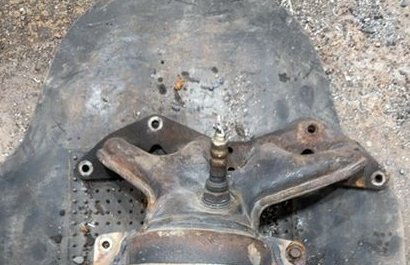
Which Catalytic Converters Are Actually Worth the Most? A 2026 Market Report
Not all catalytic converters are created equal — and if you're selling without knowing which ones carry the most value, you're leaving real money on the table. The difference between a low-value domestic cat and a high-value import unit can be hundreds of dollars. Catalytic converter scrap value swings hard depending on vehicle make, model, engine size, and the precious metal loading inside each unit.
This report breaks down which vehicle makes and models consistently produce the most valuable cats, what's driving those values in September 2026, and how sellers in Prince George and across British Columbia can stop guessing and start getting paid properly for what they haul.
Want to skip straight to pricing? You can find the best scrap converter prices in Canada and benchmark your load before you ever make a call.
---What Drives Catalytic Converter Scrap Value in 2026?
Catalytic converter value comes down to one thing: platinum group metals (PGMs). Every cat contains some combination of platinum, palladium, and rhodium — the three metals that do the actual emissions scrubbing work. The more PGM loading packed into a converter, the higher the scrap value.
In 2026, palladium remains a key driver. The palladium price today continues to influence converter payouts significantly, particularly for gasoline-engine vehicles where palladium does the heavy lifting. Rhodium, even at its current levels below the historic peaks of the early 2020s, still commands serious value per troy ounce — meaning any unit with meaningful rhodium loading punches well above its weight.
Beyond raw PGM content, several factors affect your final payout:
- Converter condition — cracked, rattled-out, or overheated units lose PGM content through physical degradation
- Foreign vs. domestic manufacture — foreign-manufactured cats (Toyota, Honda, BMW) often carry higher PGM loads due to stricter emissions standards in their origin markets
- Engine displacement — larger engines typically run larger converters with more catalyst substrate
- Vehicle age — late-1990s through mid-2010s vehicles often carry the richest cats; newer vehicles use less PGM due to improved catalyst efficiency
- OEM vs. aftermarket — original equipment cats are worth dramatically more than aftermarket replacements, which use minimal PGM loading
If you want to understand how all these variables translate into a real number, read Canadian scrap converter pricing guides that walk through the full valuation process.
---The Most Valuable Catalytic Converters by Vehicle Make and Model
Here's where it gets specific. Certain platforms, engines, and models are known in the recycling industry for producing high-value cats. This isn't guesswork — it reflects consistent PGM loading patterns across production runs.
Toyota and Lexus
Toyota and Lexus consistently produce some of the most valuable cats on the market. The Prius is the standout — hybrid drivetrain cats run cleaner and are replaced less frequently, meaning the substrate retains more active catalyst material. The Tundra (particularly V8 models), Land Cruiser, and Lexus LS400/LS430 are known for high PGM loading. Collectors and processors specifically target Toyota trucks and luxury Lexus models because the payout per unit is reliably strong.
Honda and Acura
Honda's larger-displacement engines — the Ridgeline, Pilot, and Odyssey with V6 powerplants — produce solid converter values. Acura's MDX and TL models are similarly well-regarded. Japanese-market and North American-spec Honda cats tend to carry meaningful palladium content, making them sensitive to palladium price movements.
BMW and Mercedes-Benz
European luxury vehicles are consistently high on the value list. BMW's 7 Series, X5, and 5 Series with inline-six or V8 engines produce cats with strong PGM loading. Mercedes S-Class, E-Class, and GL-series SUVs are similar. These platforms often run multiple converters per vehicle — some large SUVs carry three or four units — which multiplies the value per vehicle significantly.
Ford and GM Trucks (Diesel)
Diesel converters from heavy-duty trucks — Ford F-250/F-350 Super Duty with diesel powertrains, and Chevy/GMC 2500HD/3500HD Duramax units — operate differently. Diesel cats use diesel oxidation catalysts (DOCs) and diesel particulate filters (DPFs), which carry platinum-heavy loadings. These units have a different value profile than gasoline cats but can be substantial, particularly the DPF units from 2007 and newer where emissions regulations tightened.
Dodge/RAM and Chrysler
The RAM 1500/2500 with HEMI V8 engines and the Dodge Durango produce mid-to-high value cats. Chrysler's larger platform vehicles with 5.7L and 6.4L engines carry reasonable PGM loads. They're not the top of the market, but they're consistently above average.
Exotic and Specialty Vehicles
Ferrari, Lamborghini, Porsche, and other high-performance platforms produce extremely high-value converters — but volumes are low. Porsche Cayenne and Panamera units regularly command top-tier prices due to both PGM content and the high-performance catalyst requirements of their engines.
If you're processing vehicles in Prince George and want a real-time number on any of these units, platforms like SMASH make it straightforward to document, list, and connect your inventory with vetted buyers who know exactly what these cats are worth.
---Why Sellers in Prince George and British Columbia Leave Money Behind
Here's the honest truth about how most converter selling works in Prince George and across rural British Columbia: one buyer, one phone call, one number. No competition. No transparency. You either take it or you hold the inventory.
That's a broken model when you're sitting on high-value Toyota or BMW cats that three different processors would compete for if they knew about the load. Catalytic converter price list Canada data shows significant variation between what different buyers will pay for the same unit — the spread can be substantial on premium makes and models.
The problem isn't just price — it's information asymmetry. The buyer knows exactly what your cat is worth based on current PGM spot prices. You often don't. That gap is where money moves from your pocket to theirs.
This is exactly the problem that auction-based platforms solve. When you check current Canadian scrap converter prices before you sell, you walk into every conversation with real data — not a guess. And when multiple buyers compete for your load, the market sets the price instead of one buyer's offer.
Sellers across Prince George scrap metal services are increasingly moving away from single-buyer arrangements for exactly this reason. Competition works.
---How to Maximize Catalytic Converter Scrap Value Before You Sell
Getting the best price isn't just about who you sell to — it's about how you present your inventory. Buyers pay more confidently when they know exactly what they're bidding on.
Here's what actually moves the needle:
- Identify every unit accurately — OEM part numbers, VIN lookups, and make/model/year documentation let buyers price with confidence rather than applying a discount for unknown inventory
- Photograph every converter — top, bottom, and substrate face where possible. Cracked substrates, rattled cans, and overheating damage affect value — hiding it doesn't help anyone and creates disputes
- Separate OEM from aftermarket — never mix them in the same lot. Aftermarket cats can drag down the per-unit value of a load if buyers assume they're all aftermarket
- Don't clean or alter units — buyers price based on substrate integrity. Any modification raises red flags and can disqualify a load
- Sell in volume where possible — larger, documented loads attract more buyer interest and create genuine competitive pressure on price
Platforms like SMASH are built specifically for this kind of documented, auction-based selling. The inventory tool, VIN lookup, serial tracking, and photo documentation features exist to give your load the presentation it needs to attract multiple serious bids. No subscription fees — sell your scrap metal on SMASH Recycling and let vetted buyers compete for your inventory.
---Platinum Group Metals Recycling and the 2026 Market Outlook
The platinum group metals recycling sector in North America continues to mature in 2026. Tighter vehicle emissions regulations, expanded EV adoption (which affects catalyst chemistry on remaining ICE vehicles), and persistent industrial demand for PGMs keep the recycling stream economically significant.
Palladium demand from the automotive sector remains strong despite growing EV market share — the ICE vehicle parc still in service is enormous, and those vehicles need catalyst maintenance and end-of-life processing. Platinum demand has firmed from industrial and hydrogen economy applications. Rhodium, while off its all-time highs, remains a meaningful component of high-value converter payouts.
For sellers in British Columbia — particularly in resource and logistics-heavy markets like Prince George — the converter recycling opportunity is real and consistent. Fleet vehicles, heavy equipment, and long-haul trucks cycle through regularly. Knowing which units carry the most value, and having a transparent channel to sell them, is the difference between average returns and maximizing what you pull from every vehicle.
Ready to find out what your cats are actually worth in today's market? Find the best scrap converter prices in Canada — get a free quote at best-scrap-converter-prices.ca and stop selling blind.
---Disclaimer: Catalytic converter scrap values fluctuate daily based on live precious metal spot prices for platinum, palladium, and rhodium. Prices referenced in this article reflect general market context as of September 2026 and are not guaranteed offers. Always verify current rates before selling.
---Frequently Asked Questions
Q: Which catalytic converter has the highest scrap value in Canada?
Toyota Prius, Lexus LS-series, BMW 7 Series, and large Mercedes-Benz SUVs consistently produce the highest-value converters due to their PGM loading. Diesel DPF units from heavy-duty trucks are also notable for strong platinum content. The exact value depends on current platinum, palladium, and rhodium spot prices at the time of sale.
Q: How do I find the catalytic converter price list for Canada?
Canadian converter prices are based on live PGM spot prices — there's no single fixed price list. The best approach is to use a platform that calculates payouts based on real-time metal markets and lets multiple buyers compete for your load. This gives you actual market value rather than a single buyer's low offer.
Q: Can I sell scrap catalytic converters online in British Columbia?
Yes. Sellers across British Columbia, including Prince George, can list and sell catalytic converters through online auction platforms. Documenting your inventory with photos, VIN data, and part numbers improves buyer confidence and typically results in more competitive bids. Platforms like SMASH connect you with vetted buyers across North America.
Q: Does the palladium price today affect what I get paid for my converters?
Directly, yes. Palladium is a primary PGM in gasoline-engine catalytic converters, and its spot price moves daily. When palladium prices rise, payouts on gasoline-engine cats rise with them. Checking the palladium price before you sell helps you time your sale and set realistic expectations.
Q: Are aftermarket catalytic converters worth scrapping?
Aftermarket cats carry significantly less PGM loading than OEM units — they're designed to meet minimum emissions standards, not to maximize catalyst efficiency. Payouts on aftermarket cats are a fraction of OEM values. Always separate aftermarket units from OEM units before selling, and never mix them in the same lot.
---Follow SMASH on LinkedIn for ongoing scrap metal market updates, PGM price insights, and converter recycling industry news.