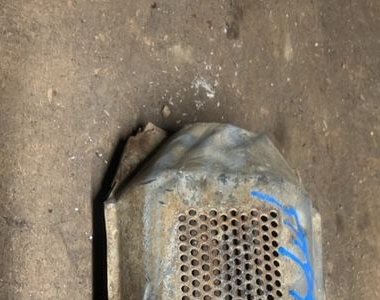
Most auto shops leave money on the table every single week. Not because they're doing anything wrong — but because they're selling scrap catalytic converters the same way they always have. One buyer. One phone call. One price with no context. If you're a shop in Guelph pulling converters off three, five, or ten vehicles a week, that adds up to a serious gap between what you're getting and what the market actually supports.
This guide is for shops ready to do it differently. Whether you're just starting to accumulate a bulk inventory or you've been sitting on a bin of cats wondering what they're worth, here's how to approach bulk converter sales with more leverage, better documentation, and a clearer understanding of scrap catalytic converter prices Guelph and across Ontario.
---Why Bulk Volume Doesn't Automatically Mean a Better Deal
There's a common assumption in the trade: the more you bring, the better the price. Sometimes that's true. But volume alone doesn't guarantee you're getting fair market value — it just means a buyer has more incentive to lock you in. A large lot is attractive to a buyer precisely because it reduces their sourcing effort. That efficiency benefit should flow back to you, but only if you've created the conditions for it.
The issue is most auto shops sell reactively. A bin fills up, someone calls the same buyer they've always used, and the lot moves. There's no baseline, no comparison, no documentation. The buyer sets the terms. That's the old way — and it's the reason platforms like find the best price for your scrap in Canada exist. When multiple vetted buyers compete for your inventory, the market sets the price. Not one person on the phone who has every incentive to lowball you.
How to Identify and Sort Your Converter Inventory Before You Sell
Proper identification is the single biggest thing you can do to increase buyer confidence and cat converter prices Guelph shops can actually command. A mixed, unlabeled bin of converters is harder to price than a documented lot with photos, serial numbers, and vehicle source info. Buyers discount for uncertainty. Give them less uncertainty, and you give yourself more leverage.
Here's a practical sorting process for auto shops accumulating bulk inventory:
- Separate by type: Foil cats, ceramic cats, diesel particulate filters (DPFs), and aftermarket/recycled converters all have different values. Don't mix them in a single lot unless you want them priced at the lowest common denominator.
- Document serial numbers: Most OEM converters have a stamped or printed serial number on the shell. Photograph it. This is how buyers identify the substrate composition and precious metal loading — platinum, palladium, and rhodium content.
- Note the vehicle source: Year, make, and model matter. A VIN lookup can confirm which vehicle the converter came from, which helps establish its precious metal profile even before assay.
- Photograph every unit: Both ends, the body, and the serial number. Good photo documentation reduces back-and-forth and builds buyer trust.
- Flag damaged or deboned units separately: Converters that have been opened, cut, or had substrate removed will be priced on residual value only. Don't mix them with intact units.
This level of documentation isn't bureaucracy — it's price discovery. Platforms built for the scrap converter space use serial tracking and photo documentation as core features precisely because documented inventory sells faster and at better prices. If you want to find the best scrap converter prices in Canada, start by giving buyers the data they need to price confidently.
Understanding What Drives Scrap Catalytic Converter Prices Right Now
Catalytic converter value comes from three precious metals: platinum (Pt), palladium (Pd), and rhodium (Rh). The ratio varies by vehicle manufacturer, engine type, and model year. Rhodium has historically been the most volatile of the three — capable of dramatic swings that make a significant difference on a bulk lot. Palladium has also seen significant price movement over the past several years as automakers shifted away from diesel.
In September 2026, the precious metals market continues to reflect broader macroeconomic pressures — currency movements, industrial demand from EV-adjacent manufacturing, and ongoing supply chain dynamics from South Africa and Russia (the two dominant platinum group metal sources globally). That's why any catalytic converter price list is a snapshot, not a contract. A price you were quoted last month may not reflect today's spot values.
For shops in Guelph and across Ontario, this means two things:
- Timing matters. Selling during a spike in palladium or rhodium can meaningfully increase your return. Selling blind to the market means you're always one step behind.
- Transparency is non-negotiable. Any buyer offering a flat rate per unit without referencing current precious metal spot prices is building their margin into your ignorance. That's not a partnership — it's arbitrage at your expense.
Want to stay informed? Read Canadian scrap converter pricing guides to track how metal markets are moving and what it means for your next bulk sale.
The Case for a Catalytic Converter Auction Over a Single Buyer
Here's the straightforward argument: competition reveals value. When one buyer names a price, you have no idea if it's fair. When five vetted buyers compete for the same lot, the price that emerges reflects actual market demand. That's not theory — that's how price discovery works in every liquid market.
A catalytic converter auction format levels the information gap that's always favored buyers over sellers. Your documented lot goes to market. Buyers who've been vetted — not random cold callers — bid based on current metal prices and their own processing costs. You see the bids. You decide.
This model works particularly well for bulk auto shop inventory because:
- Larger lots attract more serious buyers who can handle volume.
- Documented, sorted inventory makes it easier for buyers to price accurately — which often means higher bids.
- You're not locked into a relationship that benefits one side.
- Auto-invoicing and digital paperwork reduce your admin time significantly.
SMASH is built around exactly this model. No subscription fees — SMASH only makes money when you sell. That alignment matters. If you're an auto shop in Guelph or anywhere else in Ontario looking for catalytic converter buyers Ontario who will actually compete for your inventory, that's the conversation worth having.
Compliance and Documentation: What Ontario Shops Need to Cover
Selling scrap converters in bulk isn't just a pricing conversation — there's a compliance layer auto shops need to handle correctly. Ontario has specific requirements around the sale of catalytic converters given their high theft rate. Shops need to be prepared to demonstrate legitimate sourcing, which means having records that tie converters to specific vehicles and repair jobs.
Best practices for Ontario shops:
- Maintain repair order records that tie each converter to a specific vehicle and service date.
- Keep photo documentation for every unit before it goes into your accumulation bin.
- Know your buyer's requirements. Reputable catalytic converter buyers Ontario will ask for sourcing documentation. If a buyer doesn't ask — that's a red flag, not a convenience.
- Understand GST/HST handling on scrap sales. Ensure your invoicing reflects proper tax treatment for business-to-business transactions in Ontario.
- Use a platform that auto-generates compliant invoicing to reduce your administrative exposure.
Guelph shops operating near the auto corridor between Toronto and Kitchener-Waterloo have access to a competitive buyer market — but that also means scrutiny from buyers who handle high volume and expect clean documentation. Getting this right protects you and speeds up your transactions.
Building a Repeatable Process That Gets You Better Prices Every Time
One-off bulk sales are fine. But the shops that consistently get strong converter prices are the ones that treat it like a process, not an afterthought. That means building habits around documentation, timing, and buyer relationships — or better yet, letting a platform handle the buyer side entirely so you can focus on the shop floor.
A simple weekly cadence for auto shops accumulating converter inventory:
- Tag and photograph each converter at point of removal — not at the end of the month.
- Log serial numbers and vehicle source in a shared digital record (a spreadsheet works; a platform with built-in serial tracking works better).
- Group by type so you can sell foil cats, ceramics, and DPFs in separate lots if volume justifies it.
- Check current precious metal spot prices before you decide to sell. Rhodium and palladium in particular can move fast.
- Put the lot to market through a competitive auction format rather than a single-buyer call.
This isn't complicated. It's just disciplined. And it's the difference between guessing your price and knowing your price. To check current Canadian scrap converter prices and see what your next bulk lot might be worth, start with real data — not a single buyer's opinion.
SMASH makes this process straightforward for shops across Canada. Vetted buyers, transparent bidding, auto-invoicing, and no subscription fees. When you're ready to move your next lot, that's where to start.
Disclaimer: Catalytic converter prices fluctuate based on precious metal spot prices, unit type, condition, and buyer demand. All pricing information reflects general market context as of September 2026. Always verify current rates before committing to a sale.
---Frequently Asked Questions
Q: How do I get the best scrap catalytic converter prices in Guelph?
The best approach is to document your inventory thoroughly — serial numbers, photos, vehicle source — and then put it to a competitive buyer market rather than selling to a single contact. Platforms that connect you with multiple vetted buyers give you actual price discovery instead of one person's offer. For local context and current rates, Guelph scrap metal services can help you understand the regional market.
Q: What are cat converter prices in Guelph based on?
Cat converter prices are driven primarily by the precious metal content inside the substrate — platinum, palladium, and rhodium. The vehicle make, model, and year determine the loading of those metals. Current spot prices for those metals then determine what buyers will pay. Local market conditions and buyer competition in Ontario also play a role.
Q: Is a catalytic converter auction better than calling a single buyer?
For most bulk sellers, yes. A single buyer sets the price based on their margin targets. An auction format with multiple vetted buyers lets competition determine the price — which typically results in better price discovery for the seller. The more documented and sorted your inventory, the more confidently buyers can bid.
Q: Do I need documentation to sell scrap converters in Ontario?
Yes. Ontario has regulations around catalytic converter sales tied to anti-theft measures. You should be able to connect each converter to a vehicle and a legitimate repair transaction. Reputable buyers will require this documentation — and having it ready protects you legally and speeds up the sale process.
Q: How often do catalytic converter prices change in Canada?
Prices can shift week to week — sometimes day to day — depending on precious metal spot markets, currency movements, and industrial demand. Rhodium and palladium in particular can be volatile. That's why checking current rates before you sell is always worth the few minutes it takes.
---If you're running an auto shop and want to stop guessing what your converter inventory is worth, the answer isn't a new buyer — it's a better process. Start by getting real market data and putting your lots in front of buyers who compete. Head to best-scrap-converter-prices.ca for a free quote and current Canadian scrap converter pricing — and make your next bulk sale your best one yet.
Stay ahead of the scrap metal market — follow SMASH on LinkedIn for weekly industry updates, precious metal market insights, and tips for getting more out of your scrap inventory.