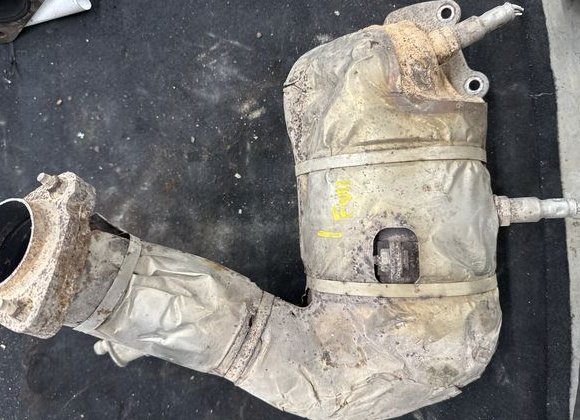
Most converter sellers fixate on the platinum price today — and that's understandable. Platinum gets the headlines. But rhodium? Rhodium is quietly the most valuable precious metal sitting inside your catalytic converter, and most sellers have no idea what they're leaving on the table by not understanding it.
This isn't a chemistry lesson. It's a market reality check. If you're selling scrap converters in Burnaby, British Columbia, or anywhere else in Canada, knowing what's inside your units — and why rhodium drives so much of their value — puts real money back in your pocket.
---What Makes Rhodium So Valuable Inside a Catalytic Converter?
Rhodium is a platinum group metal (PGM), but it operates in a completely different price tier than platinum or palladium. Historically, rhodium has traded at multiples of platinum's price — sometimes dramatically higher. It's rare, it's difficult to refine, and there is no synthetic replacement for what it does inside a converter.
Inside a catalytic converter, rhodium handles one specific and critical job: converting nitrogen oxides (NOx) into harmless nitrogen and oxygen. Platinum and palladium handle hydrocarbons and carbon monoxide. Rhodium handles the NOx reaction — and tightening emissions regulations globally have made that reaction more important than ever. More stringent emissions standards mean manufacturers load more rhodium into newer converter designs. That directly affects scrap value when those converters come off the vehicle.
- Rhodium loading is highest in three-way catalytic converters (TWC) used in gasoline engines
- Diesel converters typically carry less rhodium but more platinum
- Hybrid vehicles often run converters that cycle less frequently — but still carry PGMs
- Newer Euro 6 and Tier 3-compliant converters can carry significantly higher rhodium content than older units
When you find the best scrap converter prices in Canada, the difference between a buyer who accounts for rhodium content accurately and one who lowballs you on a flat rate is not trivial. It can be the difference between a fair market price and leaving hundreds of dollars per unit behind.
---The Platinum Price Today Tells Only Part of the Story
There's a reason most converter sellers ask about the platinum price today first. Platinum has name recognition. It's the PGM people have heard of. But in late 2026, the pricing reality for catalytic converter scrap is more nuanced than any single metal's spot price.
PGM spot prices fluctuate daily, driven by:
- Mining output from South Africa and Russia (which together supply the majority of the world's PGMs)
- Currency exchange rates, particularly the USD/ZAR rate
- Automotive production volumes globally
- Secondary supply from scrap recycling — which is exactly where your converters feed into the market
- Speculative positioning and ETF flows
What this means for you: the platinum price today tells you something, but rhodium's price movement is what actually swings the high-end value on premium converter units. A converter that assays at high rhodium content can shift dramatically in scrap value over a short period based on rhodium market conditions alone. That's why working with a buyer who prices your converters based on actual PGM content — not just a flat-rate list — matters.
For converters coming out of late-model vehicles in British Columbia, the rhodium component of total PGM value is often the largest single contributor. Don't let a buyer price you off the platinum price today without disclosing how they're accounting for rhodium and palladium.
Want to stay current on how these metals are priced? You can always check current Canadian scrap converter prices to benchmark what the market is actually offering before you sell.
---How Rhodium Content Varies by Converter Type — and Why It Matters for Sellers in Burnaby
Not every catalytic converter is built the same. The rhodium loading inside a converter depends on the vehicle make, model, engine type, and the emissions standard the vehicle was built to meet. Selling a load of mixed converters without knowing what you have is the fastest way to undervalue your inventory.
Here's a practical breakdown of how converter types generally stack up on rhodium content:
- High-value domestic and European large displacement gasoline converters — typically carry the highest PGM loading, with rhodium representing a significant share
- Japanese domestic market converters (JDM units) — often platinum-heavy but with meaningful rhodium; popular in the Burnaby and Lower Mainland market given the volume of Japanese-brand vehicles
- Diesel truck converters — lower rhodium, but can carry high platinum; SCR systems (used for urea-based NOx reduction) may have different PGM profiles
- Small displacement economy car converters — lower overall PGM content; high volume doesn't necessarily translate to high value per unit
- OEM aftermarket replacement converters (aftercats) — typically lower PGM loading than original equipment; sort these carefully before selling
If you're accumulating inventory in Burnaby or anywhere in the Lower Mainland, sorting your converters by type before approaching a buyer gives you real leverage. Mixing high-value units with low-value units in an unsorted load benefits the buyer, not you. Know what you have. Document it. Then sell it to someone who will price it accurately.
Platforms like SMASH Recycling — where verified buyers bid on your metal are built exactly for this. Documented, categorized inventory attracts more serious bids from vetted buyers who know how to price PGM content. That's how competition reveals the true market for your converters.
---The Catalytic Converter Auction Model and Why It Works for PGM-Heavy Loads
Here's the old way of selling a load of catalytic converters: you call one buyer, they give you a number, you take it or walk away. You have no idea if that number reflects actual PGM market conditions, or if the buyer's margin is 10% or 60%. You're guessing. They're not.
The catalytic converter auction model changes that dynamic entirely. When multiple vetted buyers compete for your load, the price discovery process actually works. Buyers have to sharpen their pencils. They have to account for real rhodium content, real platinum prices, and real palladium value — because if they don't, another buyer will.
For sellers in British Columbia with consistent converter volume, a catalytic converter auction format isn't just more transparent — it's structurally better. You don't need to guess the market. The market shows itself when buyers compete. SMASH brings that structure to the Canadian scrap converter market, connecting sellers with verified buyers who price based on actual PGM assay data, not gut feel or a static price sheet from last week.
This is particularly valuable for rhodium-heavy loads. Because rhodium prices can move sharply, a buyer using outdated pricing will underpay you. A competitive auction format forces current-market pricing. That's not a theory — it's basic economics applied to scrap metal.
If you want to understand how different converter categories are valued before you sell, read Canadian scrap converter pricing guides that break down PGM content by type, so you walk into any sale with real knowledge behind you.
---What to Do Before You Sell — Documenting Your Converter Inventory
Rhodium value doesn't show up automatically when you drop a load of converters on a buyer's scale. You have to create the conditions for accurate pricing. That means documenting your inventory before the sale — not after.
Here's what serious converter sellers do before approaching any buyer or auction platform:
- Photograph every unit — clear images of the converter body, serial number, and any visible manufacturer markings
- Record serial numbers — serial tracking allows buyers to identify the converter against assay databases, which improves pricing accuracy
- Sort by type — separate foreign small, domestic large, diesel, and aftermarket units into distinct groups
- Note the source vehicle where possible — make, model, and year helps buyers assign PGM value more accurately
- Count your units accurately — a packing list with unit counts and categories creates a professional presentation that attracts serious buyers
When you show up with documented inventory — real photos, real serial numbers, real sort categories — you immediately signal that you're a serious seller. That changes the negotiation. Buyers who know they can't low-ball a documented load have to compete on price instead.
SMASH's platform is built around exactly this kind of documentation. Photo uploads, serial tracking, inventory categorization — it's the infrastructure that turns a pile of converters into a competitive auction lot that serious buyers will bid on. If you're a yard operator or independent collector in Burnaby with steady converter volume, this is how you stop leaving money behind.
---Frequently Asked Questions
Q: Why is rhodium worth more than platinum in catalytic converters right now?
Rhodium is significantly rarer than platinum and serves a function inside catalytic converters — NOx reduction — that cannot be replaced by cheaper alternatives. Tighter global emissions regulations have increased rhodium demand from automakers, while supply remains constrained. These factors combine to keep rhodium at a price premium over platinum and palladium in most market conditions.
Q: How does the platinum price today affect what I get paid for my scrap converters?
Platinum is one of three key PGMs priced into your converter's scrap value, alongside palladium and rhodium. A rising platinum price today generally pushes converter values up, but the total value depends on all three metals and the specific loading in your units. Never rely on platinum alone as a benchmark — ask any buyer how they're pricing rhodium and palladium on your specific lot.
Q: Where can I find a reliable catalytic converter buyer in Burnaby, British Columbia?
Burnaby and the broader Lower Mainland have active scrap and recycling markets, but not every buyer prices converters based on actual PGM content. Look for buyers who document serial numbers, disclose how they calculate PGM value, and operate transparently. Platforms like SMASH connect sellers with vetted buyers across Canada who compete for your inventory, which tends to produce better price discovery than a single-buyer transaction.
Q: Do aftermarket catalytic converters have the same scrap value as OEM units?
No. Aftermarket replacement converters (often called "aftercats") typically carry significantly lower PGM loading than original equipment converters. Mixing them into a load of OEM units without disclosing the difference can create pricing disputes and may result in a lower overall price if the buyer averages down the whole lot. Always sort OEM and aftermarket units separately before selling.
Q: Is a catalytic converter auction a better option than selling directly to a single buyer?
For most sellers with meaningful converter volume, yes. A catalytic converter auction format creates competition between buyers, which tends to surface the actual market rate rather than one buyer's margin-protected offer. The key is working with a platform that attracts vetted, serious buyers — not a race to the bottom. SMASH is built specifically for this: documented inventory, competitive bidding, no subscription fees.
---Understanding rhodium isn't optional anymore if you're serious about getting full value for your converters. The sellers who know their inventory — what metals it contains, how to document it, and how to get it in front of competing buyers — consistently do better than those who guess. If you're in Burnaby or anywhere across British Columbia, the same principle applies: knowledge and documentation are what separate a fair price from a great one.
Ready to stop guessing what your converters are worth? Find the best scrap converter prices in Canada and get a free quote at best-scrap-converter-prices.ca — because your rhodium deserves to be priced like rhodium, not left on the table.
Prices for rhodium, platinum, and palladium fluctuate daily based on global market conditions. Always verify current PGM spot prices before finalizing any converter sale. The values referenced in this article reflect general market dynamics as of November 2026 and are not guaranteed pricing.
Stay current on scrap metal markets and converter pricing trends — follow SMASH on LinkedIn for industry updates, PGM market insights, and news from the Canadian scrap converter market.