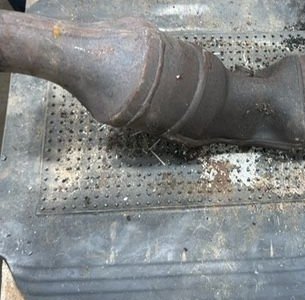
Most auto shops are sitting on a revenue stream they're barely tapping. If your bays are generating a pile of spent catalytic converters every week — and you're calling one buyer, accepting one number, and moving on — you're probably underpricing every single load. The best catalytic converter price in Longueuil isn't found by waiting for your regular buyer to show up with a lowball. It's found through competition, documentation, and knowing what your cats are actually worth before anyone makes an offer.
This guide is for shops that are ready to treat converter scrap like the asset it is. Whether you're pulling a handful of units a week or accumulating loads of 50-plus, there's a smarter way to sell.
---Why Bulk Selling Changes the Math on Converter Scrap
Selling converters one at a time is a habit, not a strategy. Buyers know that a shop selling individually is easier to underprice — there's no competitive pressure, no comparison, and usually no documentation. When you batch your inventory and sell in bulk, you shift the dynamic entirely.
A buyer acquiring a well-documented lot of 30 to 100 converters knows exactly what they're getting. They can bid with confidence. That confidence translates into tighter margins for them and better returns for you. Documented loads also move faster — vetted buyers on platforms like find the best price for your scrap in Canada don't need to add risk premiums to offset unknown inventory.
- Larger lots attract more serious buyers — not just local walkers, but regional processors with real volume capacity
- Better documentation = higher bids — photos, serial numbers, and VIN data remove guesswork
- Scheduled bulk sales create cash flow predictability — you know when money is coming in
- Competitive auction formats reward preparation — the shop that comes in organized wins
Shops in Quebec that have moved to a scheduled bulk-selling model — holding inventory for two to four weeks before releasing a full load — consistently report smoother operations and less time wasted negotiating on individual units. The upfront effort of organizing your cats pays off at the point of sale.
---How to Document Your Converter Inventory Before You Sell
This is the step most auto shops skip, and it's the most expensive mistake you can make. Buyers price unknown inventory conservatively. They have to — they don't know what's in your pile, and they're not going to overpay for the risk. Documentation closes that gap.
Here's what a properly documented bulk converter lot looks like:
- Serial number capture — Each converter has a serial or part number stamped on the body. That number ties directly to assay data: the platinum, palladium, and rhodium content for that specific unit. When buyers can see serials, they can bid on real data instead of averages.
- Photo documentation — Clear photos of each unit, including the serial, the inlet/outlet condition, and the substrate visible from the opening. No crushed units without disclosure.
- Vehicle source data where available — If you pulled the cat off a known vehicle, log the year, make, model, and VIN. VIN lookup tools let buyers (and sellers) verify the OEM spec and expected precious metal content.
- Condition notes — Intact substrate or blown? Any visible damage? Aftermarket or OEM? These details matter for pricing and they show buyers you know your inventory.
- Count and lot breakdown — Group by type if you can: domestic large, foreign small, diesel, DPFs. Mixed lots sell, but sorted lots sell better.
Tools like SMASH's inventory system are built for exactly this workflow. You're not building a spreadsheet from scratch — you're using a platform designed around scrap converter documentation, with serial tracking and photo upload built in. To find the best scrap converter prices in Canada, documentation isn't optional. It's the foundation.
---Understanding Rhodium, Palladium, and Platinum — the Metals Driving Your Converter Value
If you don't know what's inside a catalytic converter, you can't know if you're being fairly priced. Cats contain three platinum group metals (PGMs): platinum, palladium, and rhodium. Their concentrations vary by vehicle type, manufacturer, and model year. And the market price of those metals — especially rhodium price today — moves constantly.
Rhodium in particular has had extreme volatility over the past several years. Even in a more stabilized market environment in 2026, rhodium still commands significantly higher prices per troy ounce than platinum or palladium. A converter from a high-rhodium application is worth materially more than a similar-looking unit with a different substrate chemistry. That's why serial identification matters — two cats that look identical can have very different scrap values.
- Platinum: Primarily in older diesel converters and some European applications
- Palladium: Dominant in modern gasoline engines; found in high concentrations in many domestic V6 and V8 applications
- Rhodium: Present in small quantities but extremely valuable; disproportionate impact on total converter value
When you read Canadian scrap converter pricing guides, pay attention to how prices are broken down by metal type. A buyer offering you a flat-rate-per-unit price may be bundling rhodium-rich cats with low-value units and averaging them out — at your expense. Sorted, documented lots protect you from that.
Disclaimer: PGM prices fluctuate daily based on global market conditions. Always check current rates before finalizing any transaction.
---Finding the Right Buyer: Why 'Catalytic Converter Buyers Near Me Open Now' Isn't Enough
A quick search for catalytic converter buyers near me open now will return a list of local recyclers. Some of them are great. Some of them are quoting you a number they know you'll accept because you don't have a comparison. The proximity of a buyer has nothing to do with whether they're paying market price.
For auto shops in Longueuil and across Quebec, the buyer landscape has changed. You're no longer limited to whoever answers the phone first. Platforms that connect sellers to multiple vetted buyers — through a competitive auction format — give you actual market discovery instead of a single opinion on what your load is worth.
SMASH operates exactly this way. Instead of one buyer, one price, and no recourse, you get a vetted buyer pool competing for your inventory. The SMASH scrap metal auction format means buyers have to beat each other, not beat you. That's a fundamentally different dynamic than the cold call to a yard three blocks away.
For shops processing significant converter volume — think 20 or more units per week — the difference between a single-buyer relationship and a competitive auction can be material over the course of a quarter. More buyers mean better price discovery. That's not a marketing claim; it's how markets work.
---Regulation and Compliance: What Quebec Auto Shops Need to Know in 2026
Selling scrap converters in Quebec isn't just a transaction — it's a regulated activity. Catalytic converter theft remains a high-priority enforcement area across Canada, and provincial regulators have tightened documentation requirements for recyclers and sellers alike.
As of 2026, Quebec shops selling converters to scrap buyers should be prepared to provide:
- Proof of business identity — Your shop's business registration or GST/HST number
- Documentation of vehicle source — Work orders, VIN records, or other evidence that converters came from legitimate repair or end-of-life vehicle processing
- Transaction records — Both parties should maintain records of what was sold, the weight or count, the price paid, and the date
- Photo and serial documentation — Some buyers now require this as a condition of purchase, not just a courtesy
Legitimate recyclers want legitimate supply. Sloppy documentation doesn't just create legal exposure for your shop — it also makes buyers hesitant, which pushes bids down. Compliant, well-documented shops get better access to better buyers. Platforms like SMASH have compliance workflows built in, so the documentation you need for regulatory purposes is the same documentation that gets you competitive bids. It's the same work, done once, for two payoffs.
If you're not sure what's required in Longueuil specifically, check with your local recycler association or the Quebec government's business regulatory resources. Compliance isn't optional, and the consequences of a gap in documentation aren't worth the shortcut.
---Building a Bulk Selling Strategy That Actually Works
Here's the practical version — a week-by-week system that shops of any size can implement without disrupting operations.
Week 1-2: Accumulate and document. Every converter that comes off a vehicle gets tagged with a serial photo and a source note. Doesn't have to be complicated — a phone, a consistent naming system, and a folder. That's the foundation.
Week 3: Sort and assess. Group your inventory by type. Use a reference tool — or the check current Canadian scrap converter prices lookup — to get a rough sense of your lot's value range. Know what you're walking in with before any conversation starts.
Week 4: Go to market. List your lot on a competitive platform like SMASH, or contact multiple buyers simultaneously with your documentation package. Don't accept the first number without seeing at least one other offer.
- Set a minimum acceptable price based on current PGM market data — not last month's market
- Be clear about lot conditions: counts, types, condition status
- Require payment terms in writing before releasing inventory
- Track your results over time so you know what your shop's average yield per unit actually is
Shops that run this cycle consistently stop guessing and start knowing. How much is my catalytic converter worth scrap by reg stops being a question you ask a buyer and starts being a number you already know going in. That's where the leverage is.
---Frequently Asked Questions
Q: What's the best way to get the best catalytic converter price in Longueuil?
Document your inventory with serial numbers and photos, sort by converter type, and sell to multiple competing buyers rather than a single local contact. Platforms like SMASH bring vetted buyers to your lot, creating competitive pricing instead of a single take-it-or-leave-it offer. Preparation — not geography — drives the best price.
Q: How does rhodium price today affect what my converters are worth?
Rhodium is one of the most valuable PGMs inside a catalytic converter, and its price fluctuates based on global supply and industrial demand. When rhodium is trading high, converters from rhodium-rich applications are worth significantly more. Always check current PGM spot prices before selling — they directly affect your lot's value.
Q: Do I need to show paperwork when selling scrap converters in Quebec?
Yes. Quebec recyclers and buyers are increasingly requiring documentation proving the legitimate source of converters — work orders, VIN records, and business identification. This is partly regulatory and partly buyer due diligence. Well-documented lots also tend to attract stronger bids because buyers can price with confidence rather than adding a risk discount.
Q: How much is my catalytic converter worth scrap by reg number?
Serial or part numbers on converters link to assay databases that show expected platinum, palladium, and rhodium content for that specific unit. The actual dollar value changes daily with PGM spot prices, but the serial tells you what's inside. Use a converter lookup tool or work with a buyer who prices by serial — not flat rate per unit.
Q: Is it better to sell converters one at a time or in bulk lots?
Bulk lots almost always produce better outcomes for volume sellers. Documented lots of 20 or more units attract serious buyers with real processing capacity, reduce per-unit transaction costs, and create a competitive bidding dynamic that isn't available when you're selling one converter at a time. Build inventory, document properly, and sell in batches.
---If your shop is generating converter volume and you're not sure you're getting market value, that uncertainty is worth resolving. Scrap metal recycling Canada-wide is more competitive than it's ever been — buyers are out there, the tools exist, and the difference between a documented bulk sale and a casual single-buyer transaction adds up fast over a year of shop output. Start at best-scrap-converter-prices.ca to get a free quote and see where your inventory actually stands.
Stay current on PGM markets, scrap converter pricing in Canada, and industry news by following SMASH on LinkedIn — practical updates for recyclers and sellers who want to stay ahead of the market.