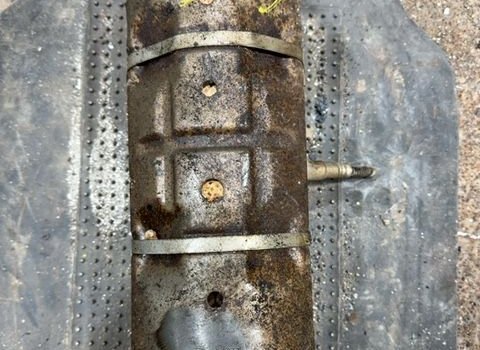
A blurry photo of your catalytic converter can cost you real money. Buyers need to read the serial number, identify the substrate condition, and confirm the unit type — and they can't do any of that from a dark, out-of-focus shot taken at arm's length. If you're trying to get catalytic converter prices today without leaving your yard, your photos are doing the selling for you. They need to do the job right.
This guide breaks down exactly how to photograph your cats for an accurate online quote — no expensive gear, no photography degree. Just practical steps that get you better numbers, faster.
Why Your Photos Directly Affect the Quote You Get
Online converter buyers price based on what they can verify. The serial number determines the substrate formulation — which tells a buyer what precious metal loadings (platinum, palladium, rhodium) they're working with. A unit they can't identify gets quoted conservatively, or not at all. You carry the risk when the photo leaves anything to interpretation.
Platforms like the SMASH Recycling auction platform connect sellers to vetted buyers competing in real time. That competition only works in your favour when buyers have enough information to bid confidently. Incomplete photo submissions lead to low-ball offers or requests for resubmission — both waste your time.
The good news: getting this right takes about five extra minutes per unit.
The 7 Shots Every Catalytic Converter Listing Needs
Think of your photo set as a buyer's inspection. They're trying to confirm unit type, condition, and identity without touching it. Give them every angle they need to bid without hesitation.
-
Serial Number Close-Up (Primary Shot)
This is the most important photo. Get within 6–8 inches of the serial number stamp. Use your phone's tap-to-focus feature and wait for the image to sharpen before shooting. The entire serial must be readable — no partial numbers, no shadows cutting across digits. If your converter has multiple stamps, photograph all of them. -
Full Unit — Inlet Side
Step back and capture the entire converter from the inlet pipe end. This establishes unit size and pipe diameter. Lay it flat on a concrete surface or workbench for a clean, consistent angle. -
Full Unit — Outlet Side
Same framing, opposite end. Buyers use both shots to confirm the unit matches known specs for that serial. -
Shell Condition — Top
Show the top of the canister. Dents, welds, previous cuts, or torch damage all affect value. Don't hide damage — buyers will see it when the unit arrives and it will trigger a dispute. Accurate photos protect you. -
Shell Condition — Bottom
Undercarriage corrosion, rot-through, or patched areas belong in the listing. If the substrate has been rattled out (hollow unit), a buyer needs to know before they bid. -
Substrate View (if possible)
If the pipe opening is large enough, photograph straight into the end of the unit. A buyer can see substrate colour and whether it's intact, cracked, or missing. This shot alone can separate a good bid from a pass. -
Batch or Lot Shot (for multiple units)
Selling a load of cats? Lay them out in a row and photograph the group from above. This confirms quantity and gives context for the individual shots. Number your units with chalk or tape and match the numbering in your individual photos.
Lighting and Background: The Two Things That Kill a Good Photo
You don't need a lightbox. You need to avoid two things: shadow across the serial number and a cluttered background that hides the unit. Both are fixable for free.
Best lighting: Overcast daylight outdoors. Direct sun creates hard shadows; overcast gives you even, diffused light with no hot spots. If you're working indoors, position the converter near a large window and supplement with a work light aimed at a 45-degree angle — not pointed directly at the unit.
Best background: Plain concrete, a clean wooden pallet, or a sheet of cardboard. Avoid shooting on grass, gravel, or beside other scrap piles. Busy backgrounds distract the eye and make it harder to assess edges and pipe condition.
A few more rules worth following:
- Clean the serial number area with a rag before shooting. Grease and grime obscure stamped digits fast.
- Never use digital zoom — move closer instead. Digital zoom destroys the resolution you need for serial readability.
- Shoot in landscape orientation (horizontal). Most quote platforms and find the best scrap converter prices in Canada tools display images horizontally.
- Take multiple shots of the serial number and keep the sharpest one. Storage is free.
How to Submit Photos for the Best Catalytic Converter Price in Red Deer
If you're in Red Deer or anywhere else in Alberta and you're trying to sell converters online, submission quality separates fast, accurate quotes from frustrating back-and-forth. Most buyers and platforms have a photo upload process — treat it like a checklist, not an afterthought.
Label your files before uploading. Name them something like unit1-serial.jpg, unit1-top.jpg, unit1-substrate.jpg. It sounds tedious, but it keeps the buyer oriented when they're reviewing a set of 20 images across 6 units. A disorganized submission reads as an unprofessional seller — and that perception affects how aggressively buyers compete for your load.
If you're using the SMASH Recycling auction platform, vetted buyers see your documentation directly and can bid competitively based on what's in front of them. That's how price discovery actually works — buyers competing on verified information, not guessing on incomplete listings. For Red Deer sellers looking for the best catalytic converter price in the region, documentation quality is your leverage.
You can also read Canadian scrap converter pricing guides to understand what factors move converter values before you list — knowing what drives PGM prices helps you time submissions and understand the offers you receive.
Common Photo Mistakes That Drop Your Quote
Sellers leave money on the table with the same avoidable errors. Here's what to stop doing:
- Photographing through a plastic bag or wrap. The glare kills serial readability instantly. Remove the converter from any packaging before shooting.
- Sending screenshots of other photos. Every time an image is screenshotted and resaved, it loses resolution. Send original files directly from your camera roll.
- Only sending one photo. One photo is never enough. A single full-unit shot with no serial close-up gives a buyer almost nothing to work with.
- Shooting at night under shop lighting. Fluorescent and sodium vapour lights create colour casts and uneven shadows. If you can't shoot in natural light, use a portable LED work light and white-balance your phone camera manually.
- Cropping out the pipe ends. Pipe diameter and condition are part of the valuation. Leave the full unit in frame.
- Ignoring damage. A cracked shell or rattled-out substrate discovered at delivery will trigger a price adjustment — and you have less negotiating room when it's after the fact. Document it upfront and let the buyer price accordingly.
Using a Scrap Metal Auction Platform to Get Competitive Converter Prices Today
Getting a single quote from a single buyer is still how most people sell cats. It's also the slowest way to find out what your converters are actually worth. When one buyer names a price, you have no reference point. You either take it or walk — and walking costs you time and transport.
A scrap metal auction platform changes the dynamic. Your documented listing goes to multiple vetted buyers simultaneously. They compete. You see the spread. That spread tells you where the market actually sits on your units today — not where one buyer wants it to sit.
For sellers running Red Deer scrap metal services or managing yard inventory across Alberta, that market visibility compounds over time. You start to understand which units attract the most competition, which serials are in demand, and when to move load quickly versus hold. That's information a single cold call will never give you.
SMASH gives sellers access to that competitive structure with no subscription fees. The platform only earns when a sale closes — which means the incentive runs in the same direction as yours.
If you want to check current Canadian scrap converter prices before you list, do that first. Understanding where PGM markets sit helps you evaluate the offers you receive and make smarter decisions about timing.
The scrap converter market in Canada moves with platinum, palladium, and rhodium spot prices — and those can shift meaningfully week to week. Sellers who treat photos as documentation and auctions as price discovery tools are consistently better positioned than those still calling one buyer and guessing. Start with the photos. Build from there.
When you're ready to get an accurate quote on your units, best-scrap-converter-prices.ca is where Canadian converter sellers go to get transparent pricing based on real market data — no guessing, no single-buyer pressure.
Frequently Asked Questions
Q: How many photos do I need to get an accurate catalytic converter price today?
Most buyers need a minimum of four to six photos per unit: a serial number close-up, full unit from both ends, shell condition top and bottom, and a substrate view if accessible. For a load of multiple units, include a batch overview shot with numbered units. More documentation leads to more confident bids.
Q: Can I get a catalytic converter quote from Red Deer without dropping the unit off in person?
Yes. Online quote platforms and auction tools let you submit photos and receive offers remotely. Red Deer sellers regularly use platforms like SMASH to get competitive quotes before deciding whether to ship or arrange local pickup. Good photos are the key — they replace the in-person inspection.
Q: What's the best way to read a catalytic converter serial number for a price lookup?
Clean the stamped area with a rag first, then shoot with your phone camera at close range using tap-to-focus in natural light. The entire serial — including any prefix or suffix characters — must be legible. Use a scrap catalytic converter price lookup tool with that serial to get a baseline value before submitting to buyers.
Q: Does converter condition affect the price I get in Alberta?
Absolutely. Cracked substrates, torch-cut shells, hollow units (rattled out), and severe corrosion all reduce value. Buyers in Alberta price based on recoverable precious metals — if the substrate is compromised, the PGM yield drops, and so does the offer. Disclose condition accurately in your photos to avoid post-delivery disputes.
Q: Why do catalytic converter prices change so frequently?
Converter scrap value is tied directly to platinum, palladium, and rhodium spot prices on global commodity markets. These metals trade daily and can move significantly based on automotive industry demand, mining supply disruptions, and currency shifts. That's why catalytic converter prices today may differ from what you were quoted last week — always check current rates before listing.
Disclaimer: Catalytic converter prices fluctuate with precious metal markets. Always check current Canadian scrap converter prices before making selling decisions. Figures referenced in this article reflect general market behaviour and are not guaranteed quotes.
Follow SMASH on LinkedIn for ongoing scrap metal market updates, converter pricing insights, and industry news across North America.
```