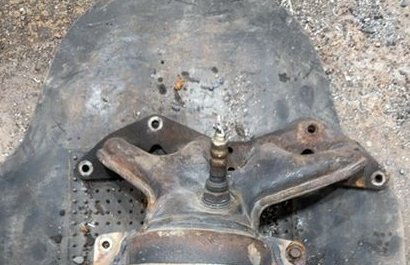
Most auto shops leave serious money on the table when selling scrap catalytic converters. Not because the cats aren't valuable — they absolutely are — but because the selling process is broken. One buyer, one phone call, one number take it or leave it. If that's your current setup, this article is for you.
Whether you're running a busy repair shop in Trois-Rivières or managing a multi-bay operation anywhere across Quebec, you're sitting on precious metal inventory every single week. Platinum, palladium, and rhodium live inside every converter that comes off a vehicle in your shop. The market for those metals fluctuates daily. Your selling strategy should reflect that reality — and right now, most shops' strategies don't.
This guide covers what auto shops need to know about selling converters in bulk, how to document inventory properly, and how platforms like SMASH are changing the price discovery game for sellers across Canada. If you want to find the best scrap converter prices in Canada, you need to understand how the buying side actually works — and position yourself accordingly.
---Why Bulk Converter Sales Require a Different Strategy
Selling one or two cats is simple. Selling fifty, a hundred, or five hundred is a different operation entirely. Volume changes your leverage — but only if you use it. Buyers know that a shop sitting on a large lot of converters needs to move product. If you don't have competitive offers on the table, that urgency works against you.
The metal markets that drive converter value — rhodium price today, palladium spot, platinum futures — don't care about your schedule. They move Monday through Friday, sometimes dramatically. A bulk lot you quoted on a Tuesday might be worth meaningfully more or less by Thursday. Timing your sale around market conditions, not just around convenience, is one of the single biggest advantages a seller can develop.
Bulk sellers also face a documentation problem. Buyers purchasing large lots need confidence in what they're buying. Mixed, unlabeled, undocumented loads raise red flags. Buyers discount those loads — sometimes heavily — to account for uncertainty. A well-documented bulk lot commands better prices because buyers can underwrite it accurately.
How to Document Your Converter Inventory Before You Sell
Documentation isn't paperwork for its own sake. It's how you prove value and give buyers the confidence to bid aggressively. The more a buyer knows about your load, the less risk they're pricing in — and that risk premium comes directly out of your payout.
Here's what a properly documented converter lot looks like:
- Serial number or part number for each unit — Most converters have an identifiable stamp or code. Record it. Buyers use these to identify the honeycomb type and precious metal content.
- Photo documentation — Clear photos of each converter, both the body and the end stamps. This eliminates disputes about condition and grade after the sale.
- Vehicle source (where available) — Make, model, and year of the vehicle the converter came from. VIN lookup data is even better. This helps buyers verify the converter type independently.
- Weight by lot or by unit — Weigh your converters. Buyers cross-reference weight against expected yield. Discrepancies raise questions you don't want raised mid-negotiation.
- Condition notes — Cracked substrates, damaged bodies, or aftermarket units all affect value. Disclose them upfront. Buyers respect transparency and price accordingly.
Platforms like SMASH have built inventory tools specifically for this kind of documentation workflow. Serial tracking, photo uploads, and structured lot descriptions are built into the process — so the work you do on documentation directly feeds competitive auction listings, not just a static quote request.
Understanding Precious Metal Prices and How They Drive Converter Value
Catalytic converter scrap value is a derivative of three metals: platinum (Pt), palladium (Pd), and rhodium (Rh). Each converter type carries a different ratio of these metals baked into the ceramic substrate. That's why a converter price list isn't a single number — it's a matrix of unit types mapped against live precious metal spot prices.
Rhodium price today is a number every serious converter seller should be tracking. Rhodium is the rarest of the three, has historically been the most volatile, and can account for a significant portion of value in certain converter types. When rhodium spikes, some units that looked ordinary become significantly more valuable. When it pulls back, the reverse is true.
Palladium is typically the highest-volume driver of value across a mixed lot of gasoline-engine converters. Platinum tends to dominate in diesel units. If your shop works heavy diesel, your converter mix looks different from a high-volume import repair shop — and your pricing expectations should reflect that.
For context, if you've ever looked at a catalytic converter scrap price list from a buyer and wondered why the numbers vary so dramatically between units, it's because the metal content varies that dramatically. A large OEM diesel cat from a commercial vehicle might contain several times the precious metal value of a small aftermarket unit from a domestic sedan. Knowing what you have before you sell is the difference between informed negotiation and guessing.
Want to stay current on what's moving the market? Read Canadian scrap converter pricing guides for regular market context and pricing breakdowns.
The Problem With One-Buyer Pricing — and How Auctions Fix It
Here's the core issue with the traditional scrap converter selling model: you call one buyer, they give you a number, and you decide. That's not price discovery. That's price acceptance.
The buyer you're calling has priced their offer to make money. That's fair — they're running a business. But their offer reflects their margin requirements, their current inventory position, and their read on whether you have other options. If you have no other options, they know it. Their number reflects it.
Competitive auction formats solve this structurally. When multiple vetted buyers compete for your load, the pricing pressure runs in your direction instead of theirs. You're not guessing what the market will bear — you're watching the market reveal itself in real time.
SMASH operates as a SMASH scrap metal auction platform specifically designed for this dynamic. Vetted buyers compete for seller inventory. No subscription fees for sellers. Auto shops in Quebec — including shops in Trois-Rivières — are listing converter lots and getting competitive bids from buyers across Canada rather than relying on whoever picks up the phone locally.
More buyers mean better price discovery. That's not a slogan — it's basic market mechanics. If you're selling bulk converters and you're not creating competition for your loads, you're leaving the market's upside entirely in the buyer's pocket.
Logistics and Compliance for Bulk Converter Sales in Quebec
Moving bulk converter lots isn't just a pricing conversation. There are logistical and regulatory realities to manage, especially in Quebec, where documentation requirements for scrap metal transactions have tightened over recent years.
Here's what to think through before you move a large lot:
- Bill of Lading (BOL) — Any load moving between facilities needs proper shipping documentation. Make sure your BOL accurately reflects the contents, weights, and declared values of your converter lot.
- Packing lists — Detailed packing lists protect you in transit disputes and help buyers verify receipt against your documented inventory.
- Tax documentation — In Quebec, GST and QST apply to scrap metal transactions. Make sure you and your buyer are aligned on how taxes are handled. Your invoicing process needs to account for this cleanly — auto-invoicing tools built into platforms like SMASH handle this automatically rather than leaving it to a manual reconciliation process.
- Buyer vetting — Selling large lots to unvetted buyers is a compliance and fraud risk. Converters are high-value, theft-adjacent inventory. Make sure whoever you're selling to is a legitimate, verifiable business.
Auto shops in Trois-Rivières and across Quebec deal with the same compliance landscape. The difference between shops that handle it smoothly and shops that deal with payment disputes and documentation headaches usually comes down to whether they built a process or just winged it deal by deal.
Building a Repeatable System for Selling Converter Inventory
One-off converter sales are a pain. A repeatable system is a revenue stream.
If your shop removes converters regularly — and any volume auto shop does — you should have a standard operating procedure for how those units are tagged, stored, documented, and sold. Not a loose habit. A written process your staff can follow without your direct involvement every time.
The basics of a solid system:
- Tag every converter at removal with vehicle info and date
- Photograph units on a consistent background with consistent lighting
- Log serial or part numbers to a running inventory spreadsheet or platform tool
- Set a sale threshold — whether that's a unit count, a weight, or a calendar interval — and list when you hit it
- Track your sale prices against the precious metal spot prices on the day of sale to understand your yield over time
That last point matters more than most shops realize. If you're consistently getting a significantly lower percentage of spot value than the market suggests you should, that's data. It tells you your buyer relationship needs competition — which brings you back to the auction model.
If you're ready to stop guessing and start getting real market prices for your converter inventory, check current Canadian scrap converter prices and compare what you've been getting against what the market actually supports. The gap, if there is one, is recoverable.
For auto shops across Canada — including shops in Trois-Rivières and across Quebec — the best move is to treat converter inventory like the precious metal asset it is. Document it properly. Create competition for it. Sell it on a system, not a whim. And use platforms built for the job. Find the best price for your scrap in Canada by putting your inventory in front of buyers who actually compete for it.
If you want to stop leaving money on the table, best-scrap-converter-prices.ca is a straightforward starting point. Get a free quote, understand what your lot is actually worth, and make a decision based on real data instead of a single number from a single phone call.
---Frequently Asked Questions
Q: What is the best catalytic converter price I can get in Trois-Rivières?
Converter prices in Trois-Rivières — like everywhere in Canada — are tied to live precious metal spot prices for platinum, palladium, and rhodium. There is no single "best price" that holds steady; it changes with the market. The best way to maximize your return is to document your inventory well and create competition among buyers rather than accepting the first offer you receive.
Q: How does rhodium price today affect what I get paid for my scrap converters?
Rhodium is one of three precious metals extracted from catalytic converter substrates, and it's historically been the most volatile. When rhodium price spikes, certain converter types become significantly more valuable almost overnight. Tracking rhodium — along with palladium and platinum — helps you time bulk sales more strategically and understand why your per-unit payouts fluctuate.
Q: Is it worth building up a larger lot before selling, or should I sell frequently in smaller batches?
Generally, larger, well-documented lots attract more serious buyers and give you more negotiating leverage. However, holding inventory while precious metal prices are declining can cost you. The right answer depends on current market momentum and your storage capacity. A good practice is to monitor metal markets and set a sell threshold that balances lot size against market timing.
Q: How does SMASH work for auto shops selling converters in bulk?
SMASH is a scrap metal auction platform where vetted buyers compete for seller inventory. Auto shops list their converter lots with documentation — photos, serial numbers, weights — and receive competitive bids rather than a single take-it-or-leave-it offer. There are no subscription fees for sellers, and the platform handles invoicing automatically, including applicable taxes like GST and QST for Quebec sellers.
Q: Are there specific regulations in Quebec that auto shops need to follow when selling scrap converters?
Yes. Quebec scrap metal transactions are subject to GST and QST, and documentation requirements for high-value scrap have become more stringent in recent years. Shops should ensure they have proper BOLs, packing lists, and clear invoicing for every transaction. Selling through vetted platforms reduces compliance risk compared to informal one-off deals with unverified buyers.
---Disclaimer: Catalytic converter scrap prices fluctuate daily based on live precious metal markets. All pricing information in this article is for general context only. Always check current Canadian scrap converter prices before making selling decisions.
Stay ahead of the market — follow SMASH on LinkedIn for regular scrap metal market updates, precious metal price insights, and industry news relevant to recyclers and sellers across North America.