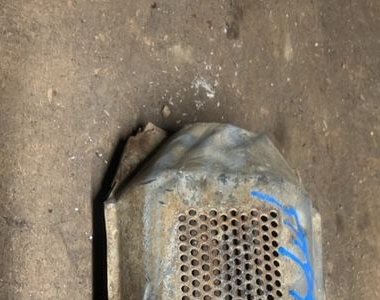
Why Proper Catalytic Converter Recycling Matters More Than You Think
Most people selling a catalytic converter are thinking about one thing: what they'll get paid. Fair enough. But there's a bigger story behind every cat that gets properly processed — one that affects air quality, precious metal supply chains, and the long-term health of the recycling industry itself. If you're looking to sell catalytic converters online, understanding the environmental stakes actually helps you make smarter decisions about who to sell to and why.
This week's market recap digs into the environmental side of converter recycling — why it matters, what happens when it goes wrong, and how transparent pricing through platforms like SMASH puts more money in your pocket while keeping the supply chain clean.
What's Actually Inside a Catalytic Converter — and Why It's Worth Recovering
A catalytic converter isn't just a hunk of metal bolted under your vehicle. Inside that steel shell is a ceramic or metallic honeycomb substrate coated with platinum group metals (PGMs) — primarily platinum, palladium, and rhodium. These three metals are responsible for converting toxic exhaust gases (hydrocarbons, carbon monoxide, nitrogen oxides) into less harmful emissions before they exit the tailpipe.
These PGMs are extraordinarily rare. Platinum is mined primarily in South Africa and Russia, with global annual production measured in hundreds of tonnes — a fraction of what industrial demand requires. Recovering platinum from spent converters reduces pressure on primary mining operations, which carry a significant environmental footprint of their own: habitat disruption, water use, and energy-intensive smelting processes.
- Platinum: Used as a primary catalyst in diesel converters; a core price driver in catalytic converter scrap metal valuation
- Palladium: Dominant in gasoline engine converters; prices have swung dramatically based on EV adoption forecasts and Russian supply constraints
- Rhodium: The rarest of the three; used for NOx reduction; historically capable of extreme price spikes
Recovering these metals through proper recycling channels means less mining, less energy consumption, and fewer raw materials extracted from the earth. That's the environmental payoff — and it's significant.
What Happens When Catalytic Converters Aren't Recycled Properly
Improper disposal of catalytic converters creates real environmental and economic harm. When converters end up in landfills or are processed by unlicensed facilities, the PGMs inside are either lost entirely or recovered through methods that skip environmental safeguards. The ceramic substrate — which carries those precious metals — can leach compounds into soil and groundwater if it isn't handled correctly.
In Alberta, environmental regulations around scrap metal handling have tightened considerably over the past several years. Facilities processing converters are expected to follow proper material documentation and recycling protocols. That means chain of custody matters — for environmental compliance and for your protection as a seller.
There's also the theft problem, which remains a real issue in markets like Red Deer and across the province. Stolen converters almost always end up in unregulated channels, bypassing assay and proper processing. The environmental consequence: the metals may still be recovered, but without the transparency and standards that legitimate recyclers maintain. Every converter sold through a vetted, documented channel is a converter that stays in the regulated supply chain — and out of the grey market.
How Transparent Pricing Connects to Environmental Accountability
Here's what most sellers don't realize: the price you get for your converter is directly tied to how accurately the PGM content is identified and valued. Opaque, single-buyer transactions — the old phone-a-buyer model — leave room for under-valuation. If a buyer tells you a converter is worth $40 when it's actually worth $140 based on current platinum price today and assay data, that spread doesn't just cost you money. It incentivizes sellers to seek out less legitimate buyers who might offer more but operate outside compliant channels.
Transparent pricing through a B2B scrap metal marketplace changes the dynamic. When multiple vetted buyers compete on the same documented load — with photos, serial numbers, and proper identification — the market sets the price. You're not guessing. The buyers aren't lowballing. The converter gets processed by a facility that knows what it's handling and has the systems to handle it right.
That's exactly what getting competitive bids for your scrap in Canada looks like in practice. Competition and documentation don't just benefit your bottom line — they push converters toward buyers who have the infrastructure to process them responsibly.
Selling Catalytic Converters Online in Red Deer: What the Local Market Looks Like in 2026
Red Deer sits in a strong position for converter recycling. As a regional hub between Edmonton and Calgary, it serves a steady flow of agricultural equipment, fleet vehicles, and automotive trades — all of which generate spent converters. If you've been searching "sell catalytic converter near me for cash," you've probably found a mix of local scrap yards, some of which offer transparent pricing and some of which don't.
The difference in what you receive for the same converter can be substantial — not because the metal content changes, but because of how each buyer values it and what competition exists at the point of sale. Red Deer scrap metal services connected to national buyer networks generally offer better price discovery than isolated local transactions simply because more buyers are in the room.
In Alberta's current market, converters from diesel trucks and heavy equipment — common in Red Deer's industrial and agricultural sectors — tend to carry higher PGM content than standard passenger car units. Knowing the difference, and having a buyer who can properly identify and value that content, matters. Don't leave money on the table because you defaulted to the nearest option.
To find the best scrap converter prices in Canada, you need access to real-time PGM data and a pool of buyers who are actually competing for your material. That's not the one-call, one-offer model most local sellers are used to.
What to Look for in a Responsible Converter Buyer
Not all buyers are equal — environmentally or financially. When you're ready to sell, here's what separates legitimate, responsible operations from the rest:
- Proper documentation requirements: A legitimate buyer asks for proof of ownership, vehicle information, or business credentials. If a buyer asks no questions, that's a red flag — not a convenience.
- Assay-based or grade-based pricing: Responsible buyers price based on identified PGM content, not a flat rate that conveniently ignores what's actually in the unit.
- Photo and serial documentation: Serious buyers want to know exactly what they're buying. This protects both parties and supports chain-of-custody compliance.
- Vetted status within a recognized network: Buyers operating within a regulated marketplace have accountability that stand-alone buyers don't.
- Competitive bidding: Multiple buyers competing for the same load is the clearest indicator that you're getting fair market value — not a discounted "we'll take it off your hands" price.
Platforms like SMASH require buyers to meet vetting standards before they can bid. That's not bureaucracy — it's the mechanism that keeps the marketplace honest and the supply chain clean. When you check current Canadian scrap converter prices through a platform with real buyer competition, you get both the environmental benefit and the financial one.
This Week's Market Context: PGMs and What Sellers Should Watch
As of late September 2026, PGM markets continue to reflect the structural tension between declining internal combustion engine (ICE) vehicle production forecasts and sustained demand for converter recycling from the existing global vehicle fleet. The transition to EVs is real — but it's slow. Billions of ICE vehicles remain in service globally, and every one of them will eventually produce a spent converter.
Palladium has faced downward pressure in 2026 as gasoline vehicle production softens in key markets. Platinum, meanwhile, has seen renewed interest from hydrogen fuel cell development, which has partially offset converter-driven demand softening. Rhodium remains volatile and thinly traded. For sellers, this means the spread between a well-documented, correctly graded converter and an unknown or misidentified unit is wider than ever — because buyers price uncertainty into their offers.
The takeaway: document your inventory, identify your units accurately, and sell into a competitive environment. To read Canadian scrap converter pricing guides that break down current grade values and what drives them, the information is out there — use it before you sell.
Disclaimer: Catalytic converter prices fluctuate based on live platinum, palladium, and rhodium spot prices. Always check current rates before selling. Nothing in this article constitutes a price guarantee.
The environmental case for proper converter recycling is strong. The financial case for selling through a competitive, documented channel is equally strong. In Red Deer and across Alberta, sellers who understand both sides of that equation consistently come out ahead — on price and on doing things the right way.
If you're ready to stop guessing and start getting real bids, find the best Canadian scrap converter prices and get a free quote at best-scrap-converter-prices.ca.
Frequently Asked Questions
Q: Can I sell catalytic converters online if I'm based in Red Deer, Alberta?
Yes. Online platforms that connect sellers with vetted national buyers are fully accessible to sellers in Red Deer and across Alberta. You document your inventory, submit photos and details, and buyers compete for your load — no geography barrier. This often results in better price discovery than limiting yourself to local-only buyers.
Q: How does platinum price today affect what I get paid for my converter?
Directly. The value of catalytic converter scrap metal is driven primarily by the live spot prices of platinum, palladium, and rhodium — the precious metals embedded in the substrate. Buyers price converters based on PGM content and current market rates, so when platinum prices move, converter values move with them. Checking spot prices before you sell gives you a realistic benchmark.
Q: Is it legal to sell catalytic converters in Alberta?
Yes, selling spent catalytic converters is legal in Alberta. However, regulations require sellers to provide proof of ownership or business documentation, and buyers are required to maintain purchase records. Selling through a vetted B2B scrap metal marketplace helps ensure you're operating within compliant channels and protects you from liability.
Q: Why do some buyers offer significantly less than others for the same converter?
Pricing varies because buyers assess risk differently, use different grading methods, and face different levels of competition. A single-buyer transaction with no competing bids puts all the pricing power on the buyer's side. A competitive auction environment — where multiple vetted buyers bid on documented inventory — produces price discovery that reflects actual market value more accurately.
Q: What information do I need to sell catalytic converters online?
At minimum, you'll need clear photos of the converter (both ends and the substrate opening if possible), the serial number or OEM stamp if visible, and documentation establishing your right to sell the material (business registration, vehicle title, or purchase records). Platforms like SMASH also use serial tracking and VIN lookup tools to help identify units accurately and build buyer confidence in your listing.
Follow SMASH on LinkedIn for weekly scrap metal market updates, pricing insights, and industry news: linkedin.com/company/scrap-metal-auction-sales-hub
```