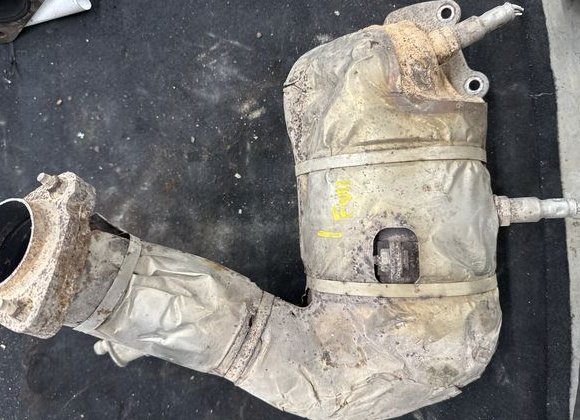
Why the Rhodium Price Today Still Drives Converter Value More Than Any Other Factor
Most converter sellers focus on the wrong number. They look at copper or steel. They watch nickel. But if you want to understand why two catalytic converters that look identical can be worth hundreds of dollars apart, you need to watch rhodium price today — and you need to know which vehicles carry the most of it.
Rhodium is the most valuable of the three platinum group metals (PGMs) found in catalytic converters. Palladium and platinum matter too, but rhodium's scarcity and its role in reducing nitrogen oxide emissions make it the dominant price driver in the converter market. When rhodium moves, converter values move with it — sometimes dramatically, sometimes overnight.
If you're sitting on a pile of cats in Lethbridge and trying to figure out which ones are worth your time, this article gives you a practical breakdown by vehicle make and model. We'll cover which OEM catalytic converters carry the highest PGM loading, how to think about scrap catalytic converter value, and how platforms like the SMASH Recycling auction platform connect sellers with vetted buyers who compete for your material.
How OEM Catalytic Converter Value Is Actually Calculated
Your converter isn't priced by its size or its age. It's priced by what's inside the ceramic substrate — specifically the concentration of platinum, palladium, and rhodium loaded into it at the factory. That loading is called the OEM catalytic converter value, and it varies significantly by manufacturer, engine type, emissions standard, and model year.
Processors use assay data — either from their own smelting results or from published database values — to determine how many grams of each PGM are in a given converter. That gram count is then multiplied by the daily spot price of each metal. Add them up, subtract processing costs, apply a return percentage, and you get a buyer's offer.
This is why a visual inspection alone tells you almost nothing. A large, heavy converter from a minivan might contain far less PGM than a compact, lightweight unit from a performance vehicle. The substrate density and the chemical loading rate are what matter — not the shell.
- Platinum (Pt): Common in diesel converters. Prices are more stable but still significant.
- Palladium (Pd): Dominant in gasoline-engine converters. Highly reactive to auto production cycles.
- Rhodium (Rh): Present in smaller quantities but consistently the highest-value PGM per gram. Even minor shifts in the rhodium price today create meaningful swings in what your cats are worth.
To check current Canadian scrap converter prices based on live metal markets, you need a source that updates with the market — not a static price sheet from six months ago.
The Most Valuable Catalytic Converters by Vehicle Make and Model
Not every converter is created equal. Some vehicles are well-known in the scrap industry for carrying high-value cats. Here's a practical breakdown of which makes and models consistently produce the strongest scrap catalytic converter value.
Ferrari and Lamborghini
High-performance European exotics almost always carry converters with elevated PGM loading. Stricter European emissions standards combined with high-displacement engines mean larger substrate surface areas and higher catalyst concentrations. These are rare in the general scrap stream, but when they show up, they top the value charts. A single unit from certain Ferrari models can carry assay values that dwarf an entire pallet of aftermarket replacements.
Ford F-250 / F-350 (6.2L and 7.3L Gas)
Heavy-duty gas-powered trucks from Ford are a staple of the North American scrap converter market. The larger-displacement engines require more aggressive emissions control, which translates to higher PGM loading per unit. These converters show up frequently in Lethbridge yards given the region's strong truck culture and agricultural base. They're worth pulling carefully — crushing them or mixing them in a pile with unknowns leaves money behind.
Toyota Prius (All Generations)
The Prius is famous in the converter world for a reason. Because the gas engine runs intermittently and the converter operates at lower temperatures on average, Toyota loaded the substrate heavily to ensure the catalyst reached proper operating efficiency quickly. The result is a converter with a PGM concentration that consistently outperforms vehicles of similar engine size. Prius converters have been a high-theft target for years — which tells you something about their street value.
BMW 7 Series and 5 Series (V8 and V12)
German luxury vehicles, particularly BMW's larger platforms, run complex exhaust systems with multiple converter units per vehicle. Each unit may carry moderate individual value, but the total yield per vehicle is high. BMW uses both pre-cats and main cats, and buyers familiar with the platform will pay accordingly when you present documented, identified inventory.
Ram 2500 / 3500 with HEMI
HEMI-powered trucks produce converters with strong palladium and rhodium values. These are common across Alberta and appear regularly in Lethbridge-area yards. The 5.7L and 6.4L HEMI applications are particularly well-regarded in converter pricing databases. Knowing your year, make, and model before you sell matters — a Ram 3500 converter and a Ram 1500 converter from the same era can differ significantly in value.
Acura MDX / Honda Odyssey (J35 Engine)
Honda's J-series V6 engines, used across multiple platforms, produce converters that consistently punch above their weight in PGM content. The Odyssey in particular shows up frequently in scrap yards and delivers solid returns. These aren't glamour units, but they're reliable earners for yards processing high volumes of Japanese domestic-market vehicles.
Diesel Vehicles (Mercedes, Ford Power Stroke, Duramax)
Diesel converters operate differently. They tend to be platinum-heavy rather than palladium-heavy, and many modern diesel applications also include diesel particulate filters (DPFs) that carry significant PGM value of their own. If you're pulling diesel cats, don't confuse the DPF with the oxidation catalyst — they have different values and need to be presented separately to buyers who know the difference.
Sell Catalytic Converters in Alberta Without Guessing Your Price
The traditional approach — call one buyer, take their number, done — works fine if you don't care what you're leaving on the table. But in Alberta's converter market, with PGM prices shifting weekly and buyer demand varying by material type, a single phone call is a terrible price discovery strategy.
The better approach is to document what you have and put it in front of multiple vetted buyers at once. That's exactly what platforms like SMASH are built for. When buyers compete for your material, you get a real market price instead of a single buyer's margin. More buyers means better price discovery — that's not a sales pitch, it's math.
If you're trying to sell catalytic converters Alberta and you're doing it the old way, you're working harder for less money. Document your units with photos. Record the serial numbers or VIN where available. Use a platform that shows you what the market will actually pay for your specific material — not a generalized quote built on assumptions.
Platforms like SMASH include inventory tools, photo documentation, and connections to buyers who specialize in converter material. That specificity matters. A buyer who knows the difference between a Prius unit and a generic aftermarket replacement will pay accordingly. One who doesn't will offer you the same number for both.
To find the best scrap converter prices in Canada, you need live data and competitive buyers — not a static price list and a single phone call.
How to Maximize What You Get for High-Value Converter Loads
Whether you're a Lethbridge yard operator sitting on a mixed load or an individual pulling cats from your fleet vehicles, the same principles apply. How you present your material directly affects what you get paid for it.
- Identify before you sell. OEM converters with known vehicle applications get better prices than unknowns. Use a scrap catalytic converter value lookup tool to identify your units before you quote them out.
- Photograph everything. Both ends of the substrate, the shell, and the serial number or part number if visible. Buyers making remote offers need this. Platforms like SMASH build documentation directly into the listing process.
- Separate by grade. Don't mix high-value OEM units with aftermarket or bead-damaged converters. Separating your material means your best units get bid on by buyers who specialize in them.
- Watch the metals market. The rhodium price today drives your top-tier unit values. If rhodium is strong, that's the time to move your high-PGM cats — Prius units, HEMI trucks, European exotics. Timing matters.
- Use competitive channels. The SMASH Recycling auction platform exists specifically to put scrap material in front of multiple qualified buyers. That competition replaces the guessing game with actual market data.
For Alberta sellers who want to go deeper on strategy and pricing methodology, read Canadian scrap converter pricing guides that cover everything from PGM market cycles to documentation best practices.
Sell Scrap Metal Online: What the Alberta Market Looks Like in 2026
The shift to digital platforms for scrap transactions has accelerated across North America. In Alberta specifically, yards and individual sellers who've moved to sell scrap metal online report more consistent pricing and faster transaction cycles than the old phone-and-handshake model allowed.
The converter segment in particular has benefited from digital tools. Because converter values are so tightly tied to live PGM prices, real-time online platforms are simply better suited to the product than static price sheets or weekly quoted rates. When rhodium moves 8% in a week, a buyer's offer from last Tuesday is already stale.
For Lethbridge scrap metal services, the combination of local yard relationships and digital auction access gives sellers the best of both worlds — the convenience of a local transaction with the price transparency of a competitive market. That combination is worth seeking out regardless of the size of your load.
The Alberta converter market has matured. Buyers are more sophisticated. Sellers who come in with documented, identified material consistently outperform those who show up with an unsorted pile and a verbal description. The gap between the two approaches is real money — and in a market this tight, it matters.
If you're ready to stop guessing and start selling with actual market data behind you, it's time to find the best scrap converter prices in Canada and get a free quote at best-scrap-converter-prices.ca.
Disclaimer: Catalytic converter prices fluctuate daily based on live platinum, palladium, and rhodium spot prices. Always check current rates before making selling decisions. No price in this article should be treated as a current market quote.
Frequently Asked Questions
Q: How does the rhodium price today affect my catalytic converter's scrap value?
Rhodium is the highest-value platinum group metal found in converters, and even small daily swings in the rhodium price can move your converter's value by meaningful amounts. Because rhodium is present in smaller gram quantities than palladium, its price per gram makes it the most sensitive variable in the calculation. Checking the rhodium spot price on the day you sell — not the day you pulled the unit — is essential.
Q: Which catalytic converters are worth the most money right now?
High-value converters typically come from Toyota Prius models, large-displacement Ford and Ram trucks with gasoline engines, and European performance vehicles. OEM catalytic converter value varies by specific application, so identification matters — a Prius unit from one generation may differ significantly in value from another. Use a scrap catalytic converter value lookup tool to identify your units before selling.
Q: Can I sell catalytic converters online in Alberta without a middleman?
Yes. Platforms designed for the scrap industry — including SMASH — allow Alberta sellers to list documented converter inventory and receive competitive bids from vetted buyers. This removes the single-buyer dynamic that typically suppresses prices. You still need to follow Alberta's scrap metal dealer regulations, including proper documentation of seller ID and vehicle sourcing information.
Q: How do I know if my converter is OEM or aftermarket, and does it matter?
OEM converters — original equipment from the vehicle manufacturer — carry factory-specified PGM loading and are almost always worth more than aftermarket replacements, which use minimal precious metals to meet basic emissions thresholds. You can often identify an OEM unit by the part number stamped on the shell and by its physical weight. Aftermarket units are lighter and produce significantly lower assay returns.
Q: How should I prepare my converters before selling them in Lethbridge?
Remove the converter from the vehicle cleanly — don't cut into the substrate. Photograph both ends, the shell, and any visible serial or part numbers. Separate units by vehicle application if you can identify them, and keep OEM units apart from aftermarket. Presenting documented, identified material to buyers in Lethbridge consistently produces better offers than showing up with an unsorted pile and no vehicle information.
Follow SMASH on LinkedIn for ongoing scrap metal market updates, PGM price tracking, and industry insights: linkedin.com/company/scrap-metal-auction-sales-hub.