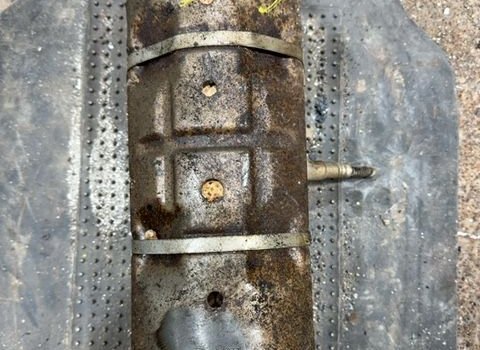
Auto shops sitting on a pile of spent converters are leaving real money on the table — and most don't even know it. If your shop pulls catalytic converters regularly, the difference between a casual scrap sale and a strategic one can be significant. Precious metal markets move fast. Palladium, platinum, and rhodium prices fluctuate week to week, and the catalytic converter scrap value you get depends heavily on when you sell, how you document inventory, and who you're selling to.
This week's market recap breaks down what auto shops across Quebec — including busy independent shops in Sherbrooke — need to know before moving their next bulk load of converters.
What's Driving Catalytic Converter Scrap Value This Week
The precious metals inside your converters — primarily palladium, platinum, and rhodium — are commodities. Their prices move with global industrial demand, automotive production cycles, and macro-economic pressure. As of November 2026, palladium has shown continued volatility tied to EV transition timelines and supply constraints from key mining regions. That matters directly to what a buyer will offer on your cores.
When palladium price today ticks up even slightly, the spread between a rushed sale and a competitive auction can widen fast. Shops that track market movements — even roughly — position themselves to sell at better moments. You don't need to be a commodities trader. You just need to stop treating converter sales like an afterthought.
- Palladium: Primary metal in gasoline-engine converters. Watch this closely.
- Platinum: Dominant in diesel converters. Slower-moving but significant.
- Rhodium: Lower volume but high value-per-gram when prices spike.
Understanding which metals are in your converters — and which vehicle types produce the richest cores — changes how you approach bulk selling. A shop in Sherbrooke pulling converters from a mix of domestic trucks and imported sedans has very different inventory than one focused on diesel fleet vehicles. Know what you have before you price it.
Why Bulk Selling Without a Strategy Costs You Money
Here's the old way: stack converters in a corner, call your one local buyer when the pile gets big enough, take what they offer. That model works for the buyer. It doesn't work for you.
When you sell catalytic converters without competitive pricing, you're essentially letting a single buyer set your margin. They know their spread. You don't. That's the fundamental problem with relying on a single relationship for commodity sales — especially for something as volatile as precious-metal-bearing cores.
Bulk loads actually give you more leverage, not less. A buyer purchasing 30 converters at once wants that volume. Use it. If you're selling in Quebec — where the converter market runs active year-round — that leverage is real. The mistake most shops make is not activating it. To find the best scrap converter prices in Canada, you need more than one buyer in the room.
Platforms like SMASH exist precisely because this dynamic is broken. When you list a bulk load through an auction-style platform, vetted buyers compete. The price discovery process becomes transparent. You see what the market actually pays — not what one buyer decides to offer on a Tuesday afternoon.
Practical Tips for Auto Shops Selling Converters in Bulk
Whether you're running a high-volume shop in Sherbrooke or a smaller operation outside the city, these practices directly affect what you get per unit on a bulk converter sale.
1. Document Every Converter Before It Leaves Your Shop
Photo documentation and serial number tracking aren't just good habits — they're money. Buyers pay more for documented inventory because it reduces their assay risk. A converter with a confirmed VIN or serial number, matched to a known vehicle application, is easier to grade. SMASH's platform includes serial tracking and photo documentation tools built into the inventory process — that's not an accident. It directly supports better pricing conversations.
2. Sort by Category Before You List
Don't throw domestic, foreign, and diesel converters into one unsorted pile. Buyers grade differently by category. A foreign pre-cat commands a different price than a standard domestic unit. When you sort, you let buyers price accurately — and accurate pricing tends to trend higher than speculative pricing. Sorted, documented loads are more competitive at auction.
3. Build a Consistent Accumulation Schedule
Sporadic sales at random volumes are harder to monetize than predictable bulk loads. If your shop pulls converters on a regular basis, set a threshold — say, every 20 to 30 units — and batch your sales accordingly. This keeps your process clean, makes documentation manageable, and gives you enough volume to attract serious buyers. If you check current Canadian scrap converter prices regularly, you can also time your sales around favorable market windows.
4. Stop Relying on One Buyer Relationship
Your local scrap yard may be convenient. That's about where the advantages end if they're the only buyer you use. The catalytic converter scrap yard price at any single location reflects that yard's margin requirements — not necessarily the market. Quebec has active buyers across multiple channels, and digital platforms have made geographic distance essentially irrelevant for converter sales. Expand your buyer pool.
5. Understand the Paperwork Side
In Quebec, regulations around converter sales — including seller documentation requirements — have tightened in recent years as authorities cracked down on stolen converter trafficking. For legitimate auto shops, this paperwork is manageable but important. Keep records of vehicle sources, invoice trails, and inventory logs. Proper documentation protects you legally and signals legitimacy to serious buyers. It also helps if you're using a platform that handles auto-invoicing, which removes one more administrative burden from your team.
How to Sell Catalytic Converters Online Without Getting Burned
Selling converters digitally sounds straightforward. It's not always. The converter market attracts opportunistic middlemen who'll offer quick cash in exchange for taking the spread themselves. Learning to sell catalytic converters online through a vetted, structured platform changes that equation.
The key difference: vetted buyers versus anonymous ones. A platform where buyers are screened, where transactions are documented, and where pricing is competitive rather than negotiated in private is a fundamentally different experience than posting on a forum or accepting a cold call from a buyer you've never verified. For shops wanting to read Canadian scrap converter pricing guides and get oriented before their first digital sale, the information is there — the platform side just needs to match.
SMASH connects yards and shops with verified buyers across North America, using an auction format that creates genuine price competition. No subscription fees. No guessing what the market bears. For shops in Quebec looking to sell catalytic converters in bulk, that structure matters more than any single relationship with a local buyer.
You can also compare scrap metal bids from Canadian buyers to see how the competitive process works before committing your first load.
Sherbrooke-Area Shops: Local Market Context for November 2026
The Quebec converter market remains active heading into Q4 2026. Auto shops in the Sherbrooke region have access to regional buyers, but the best pricing consistently comes from opening loads to broader competition rather than limiting to local networks. Sherbrooke's industrial economy means steady converter volume from both passenger vehicles and light commercial applications — a diverse mix that benefits from proper sorting and documentation.
If you're using Sherbrooke scrap metal services for your converter sales, make sure you're working with buyers who price transparently based on actual precious metal content — not flat-rate offers that don't reflect the current palladium price today or platinum market conditions.
Quebec sellers should also be aware that GST/HST documentation applies to commercial converter transactions. Platforms that handle auto-invoicing with proper tax treatment simplify compliance, particularly for shops doing regular bulk volume.
The Bottom Line: Competition Is the Strategy
Catalytic converter scrap value isn't fixed. It moves with markets, with buyer appetite, and with how well you've documented and positioned your inventory. Shops that treat bulk converter sales as a commodity transaction — walk in, take the offer, leave — consistently underperform the market. Shops that compete their loads get better data, better prices, and better relationships with serious buyers.
The scrap metal industry rewards the prepared seller. Document your inventory. Sort your loads. Use platforms that bring multiple buyers to the table. And stay current on precious metal price movements — even a rough awareness of where palladium is trading gives you a meaningful edge in pricing conversations.
If you're ready to stop guessing and start selling with real market data behind you, the best Canadian scrap converter prices are out there — you just need the right platform to surface them. Get a free quote and see what your next bulk load is actually worth at best-scrap-converter-prices.ca.
Prices for precious metals fluctuate daily. All converter pricing discussed in this article reflects general market context as of November 2026. Always check current rates before selling.
Frequently Asked Questions
Q: How do I know if I'm getting a fair catalytic converter scrap value for my bulk load?
The only reliable way to benchmark is competition. If you're selling to a single buyer, you have no reference point for whether their offer reflects the market. Getting multiple bids — through an auction platform or by approaching several buyers simultaneously — gives you actual market data. Platforms like SMASH are built specifically for this purpose.
Q: Does the palladium price today actually affect what I'll get for my converters?
Yes, directly. Buyers calculate converter value based on estimated precious metal content, then work backward from current spot prices for palladium, platinum, and rhodium. When palladium moves up, well-documented converters from gasoline-engine vehicles fetch more. Tracking spot prices — even weekly — helps you time bulk sales more strategically.
Q: Are there specific regulations for auto shops selling catalytic converters in Quebec?
Quebec has tightened documentation requirements for converter sales in response to theft concerns across Canada. Auto shops selling legitimate inventory should maintain clear records of vehicle source, purchase or removal invoices, and buyer transactions. Working through a platform that handles auto-invoicing and transaction documentation simplifies compliance and protects your shop from liability.
Q: Can I sell catalytic converters online if I'm based in Sherbrooke or elsewhere in Quebec?
Absolutely. Geography is essentially irrelevant for converter sales through digital platforms. Buyers across North America actively bid on well-documented loads regardless of where the shop is located. Shipping logistics for bulk converter loads are straightforward, and the pricing advantage from broader buyer competition typically outweighs any freight considerations.
Q: What's the difference between a catalytic converter scrap yard price and an auction platform price?
A scrap yard price reflects one buyer's offer — built around their margin, their current inventory, and their assessment of your load. An auction platform price reflects what multiple competing buyers are willing to pay at the same moment. The difference between those two numbers can be meaningful, especially on larger bulk loads where the spread per unit compounds quickly.
Follow SMASH on LinkedIn for weekly scrap metal market updates, converter pricing insights, and industry news across Canada and North America.
```